Your roadmap shouldn't live in a calendar invite
You're spending more time coordinating what's being built than actually building it. LaunchNotes closes the loop so your roadmap communicates itself.
Does this look familiar?
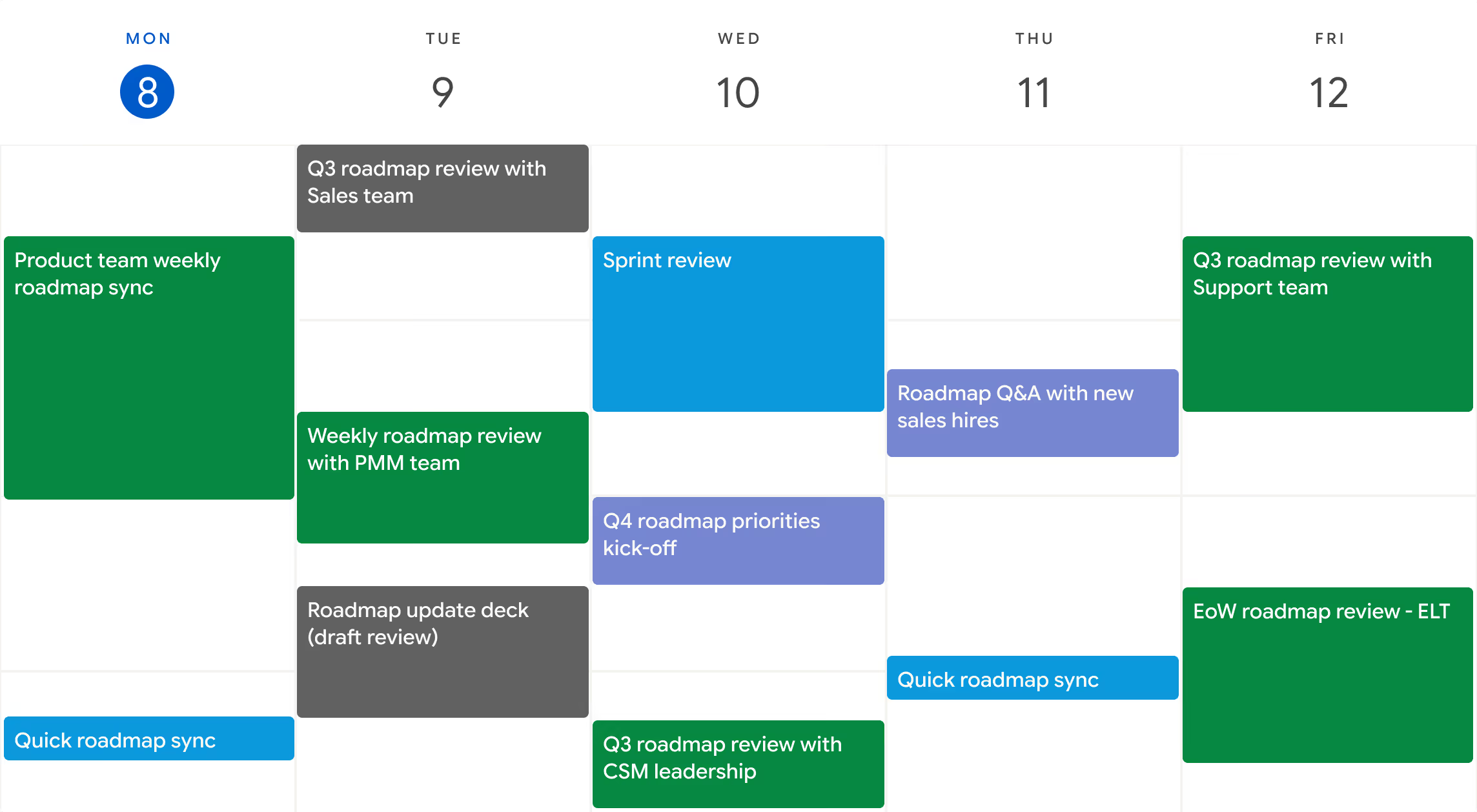

Ship more. Explain less.
When roadmap communication is manual, explaining what's shipping becomes a full-time job on top of the actual job.
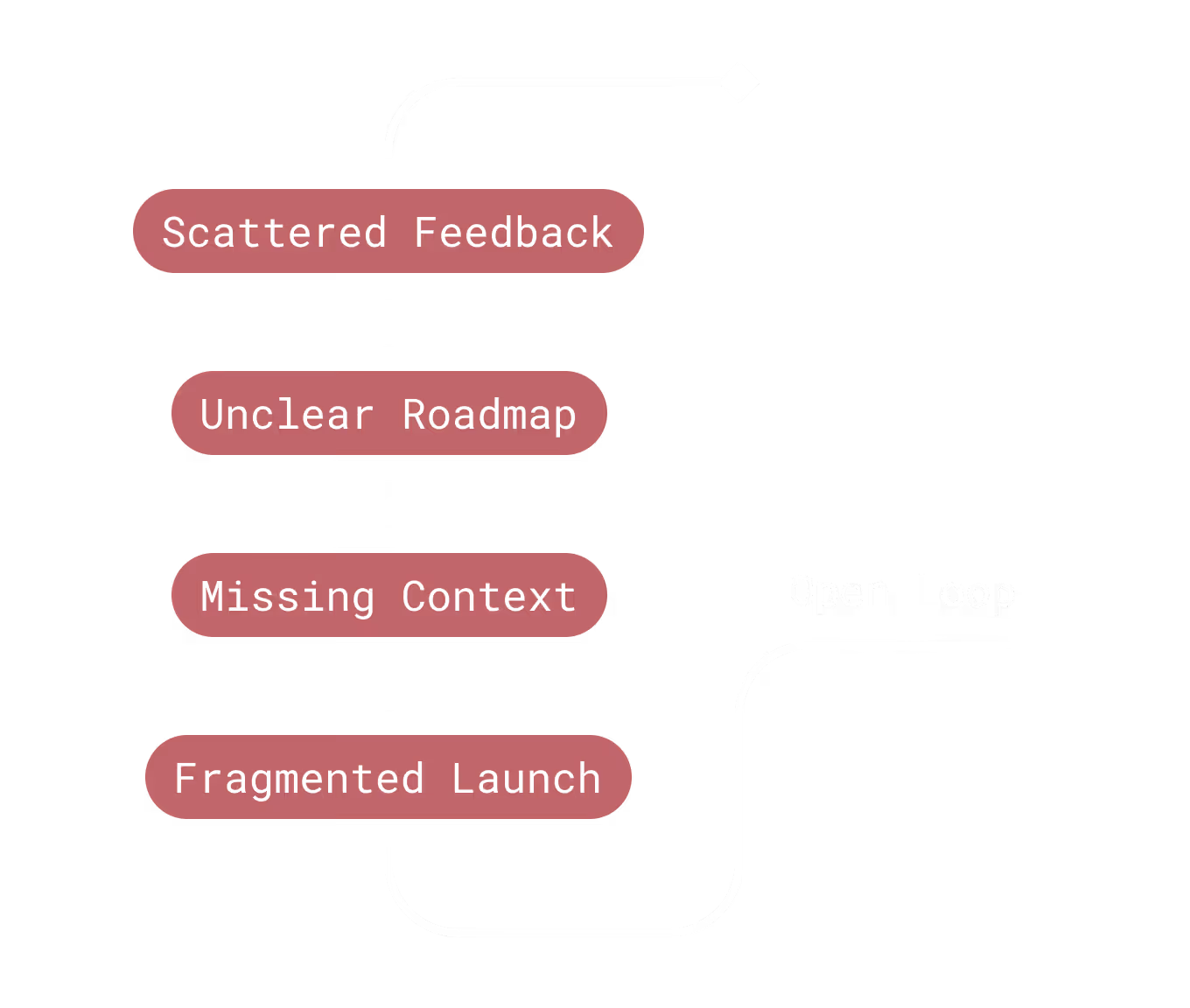
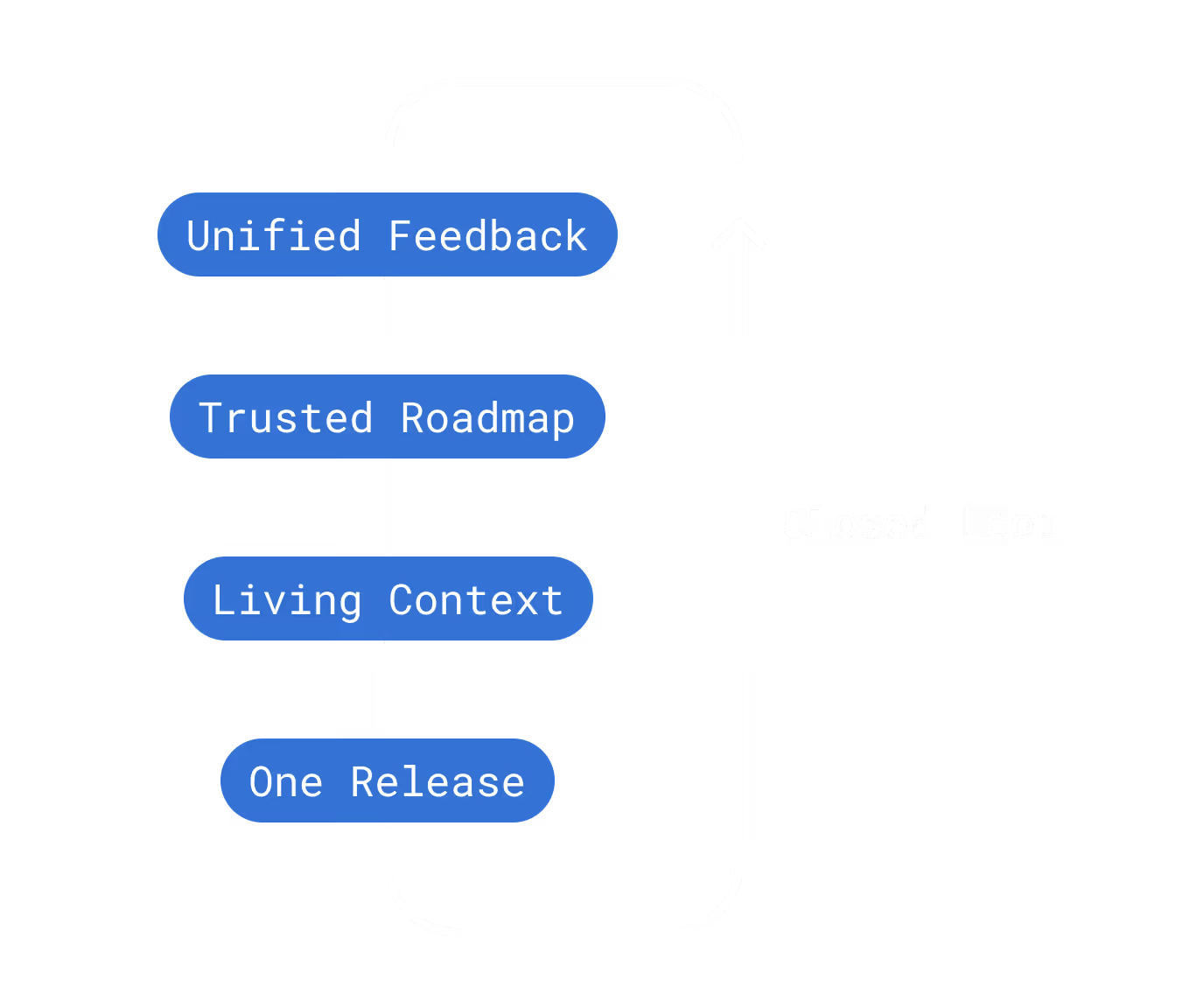
From feedback to shipped, without the overhead

- 01
Capture what customers actually want
Connect feedback from CS, Slack, your portal, and CRM revenue data into one place.
- 02
Communicate intent before you build
Publish a roadmap your whole org can trust, subscribe to, and filter by role.
- 03
Everything your team needs in one place
Attach the right documents, designs, and Jira issues directly to each roadmap item.
- 04
Ship once. Reach every channel.
Publish a release once. Every channel receives it — portal, email, Slack, in-app widget.
- 05
Close the loop automatically
See who engages with what shipped. Auto-notify the customers whose requests just became reality.
Roadmaps your whole org can act on
LaunchNotes gives you a living roadmap that different audiences can subscribe to, filter, and trust.
Roadmap reports
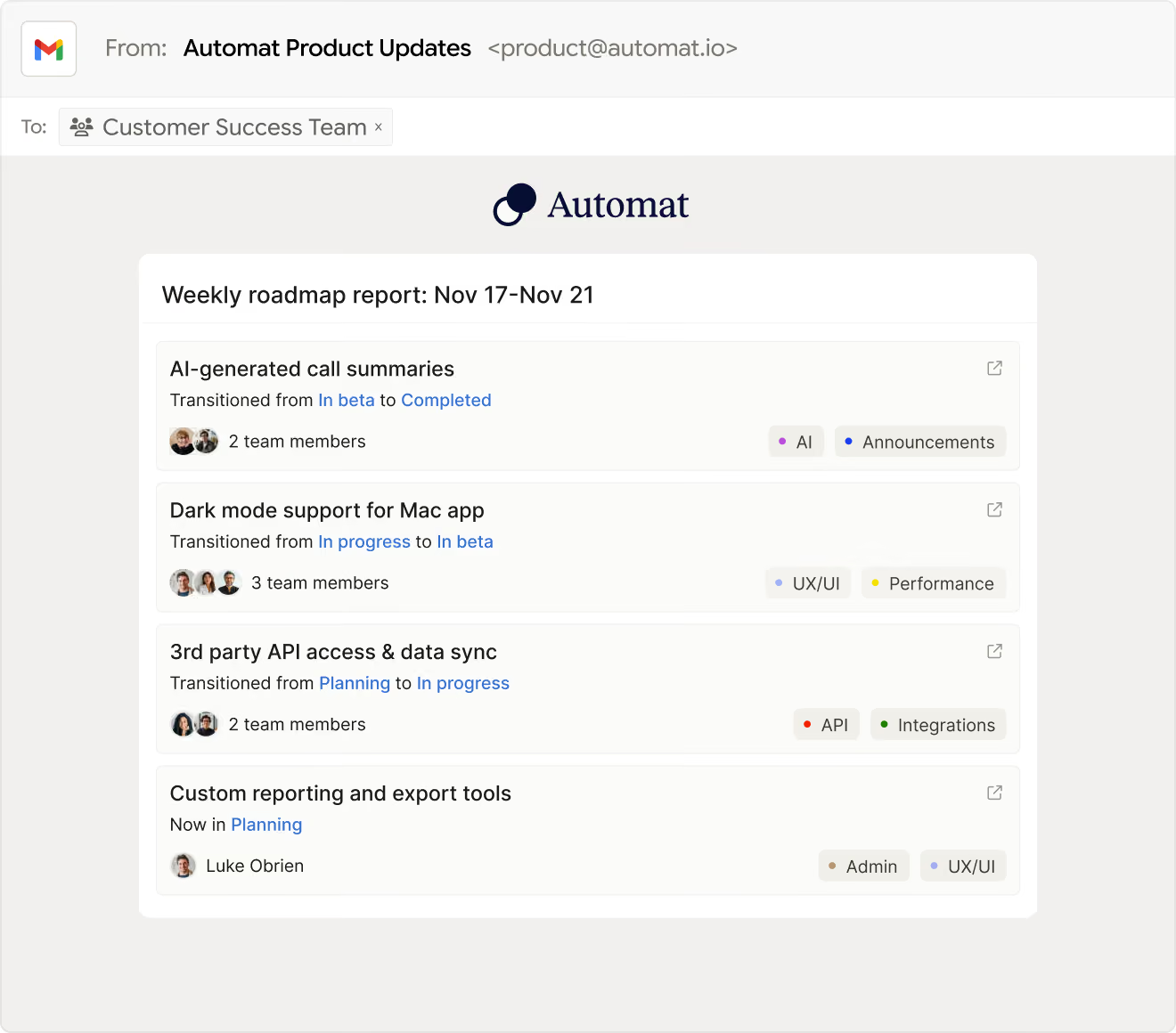
Automated roadmap notifications — so stakeholders always have the right view without asking for it.
Roadmap filters
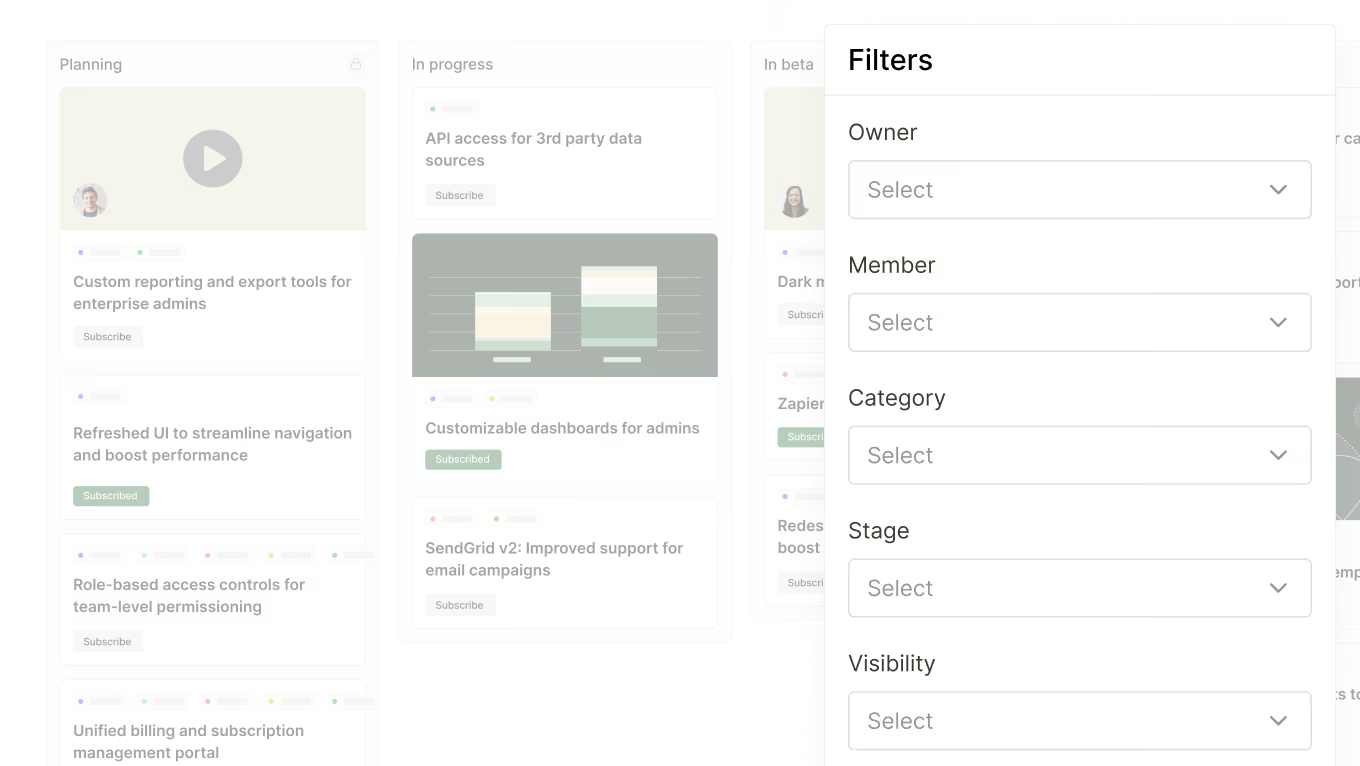
Filter your roadmap by owner, category, stage, or team in one click. Everyone sees exactly what's relevant to them.
Promote to roadmap
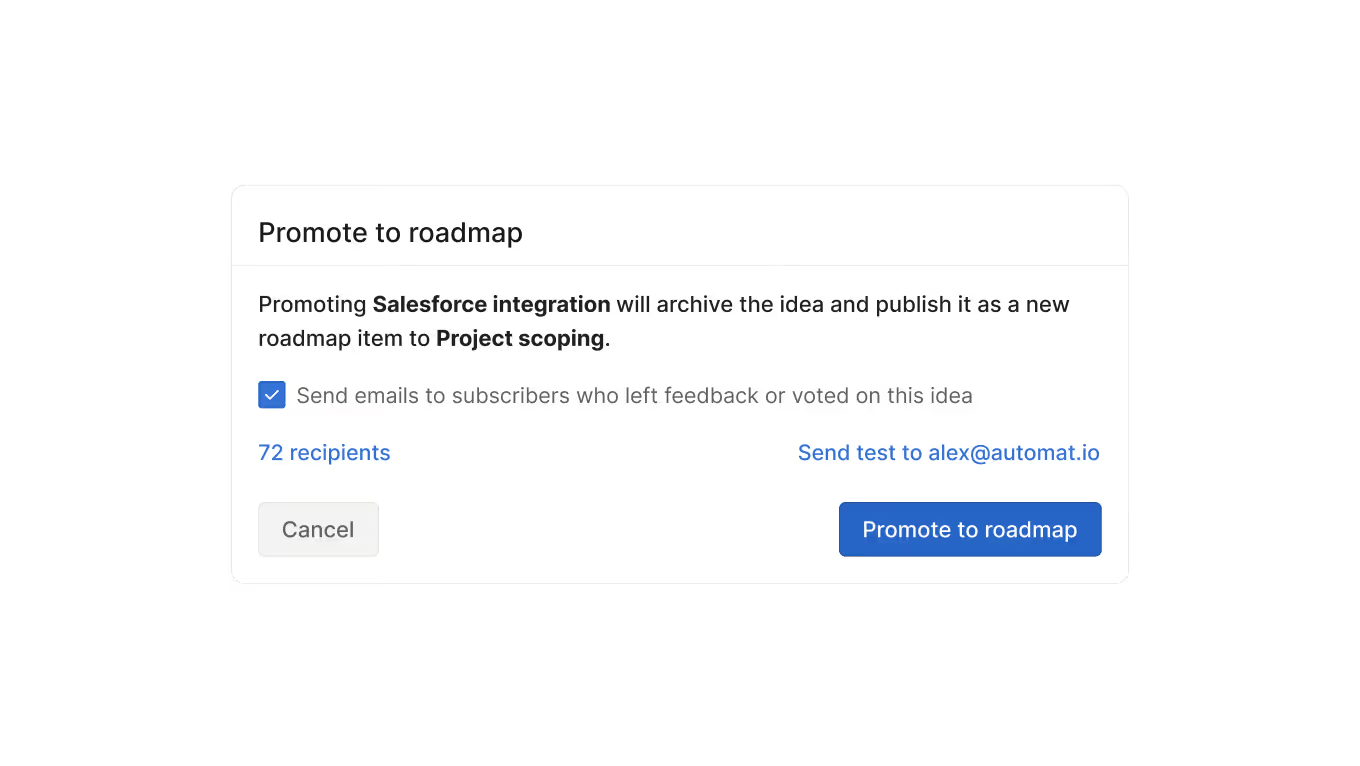
Move a validated idea directly to the roadmap and automatically notify the customers who requested it. One action. Closed loop.
Contextual links
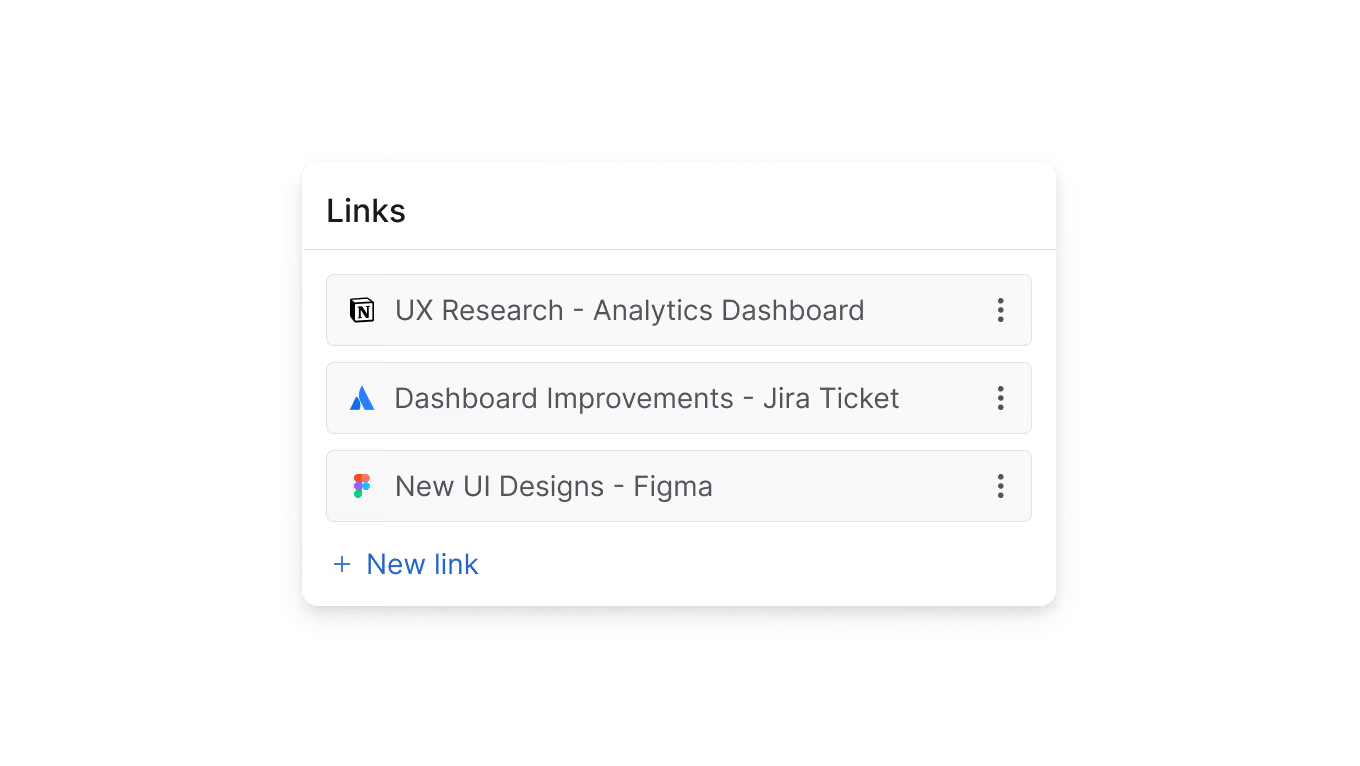
Attach the spec, the design file, the Jira ticket — right on the roadmap item. Every team has what they need before they ask.
“LaunchNotes is mission critical. With $100M+ in annual R&D spend, not telling customers what we build is tripping at the finish line.”

Feedback that actually informs decisions
The gap between "what customers are asking for" and "what ends up on the roadmap" is where churn hides.
Centralized feedback
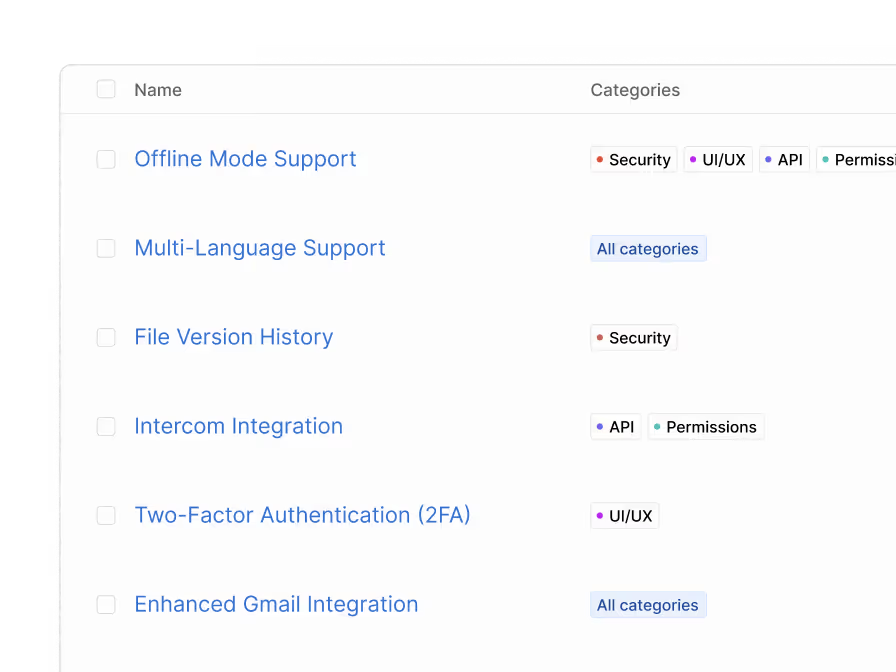
Every request, across every channel, in one place — with account context, revenue weight, and sentiment attached.
Ideas and feedback
Group related feedback into idea clusters. Let customers vote. Surface the highest-impact priorities with data, not gut feel.
In-depth analytics
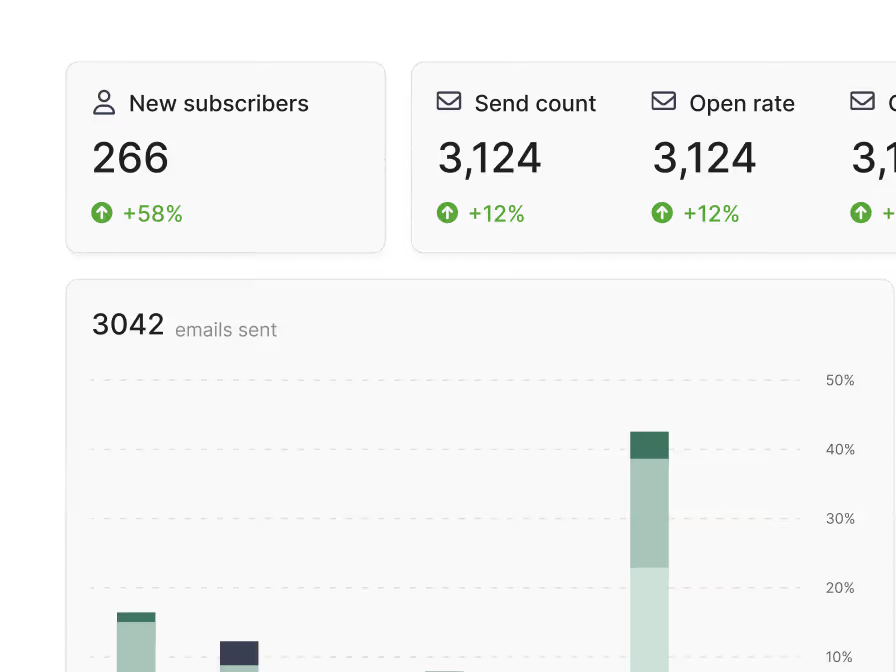
Surface themes, track volume, and identify the requests that keep showing up.
More resources for Product Management teams
The 5 Steps to Building a Memorable Product Roadmap Presentation

10 Essential Product Management Tips for Success
10 Product Management Frameworks and Methodologies Worth Considering
See how the best teams communicate their releases
Product Manager, Product Marketer, Customer Success leader, or Product Ops professional? We have a use case built for your team.
Product Marketing
Product Operations
Customer success
Frequently asked questions
Yes. The platform is built for team collaboration, so multiple people can contribute to a single update, with an engineer writing the technical details while a product marketer polishes the final copy.
That makes sure your internal communication is thorough and accurate before anything goes public, and it prevents the silos that often lead to confusing or incomplete updates.
A unified space for drafting and approvals helps your product team maintain a high bar for quality and consistency, so every release gets communicated professionally to your entire user base.
Visuals are far more effective than plain text for explaining complex changes. LaunchNotes lets you embed videos, GIFs, and images directly into your roadmap items.
Whether it's a quick demo of a new UI or a polished video for a major launch, these visuals help users understand the value of your work instantly, in a show-don't-just-tell kind of way.
Making your roadmap more interactive keeps your audience engaged and ensures your message actually lands, which is a real factor in driving adoption.
Every update you publish is automatically archived into a searchable, chronological history, which is a valuable resource for both internal teams and long-term customers.
If a user needs to know when a specific fix shipped, they can find it in your changelog without contacting support. For internal teams, it's a reliable record of past decisions and technical milestones.
Having an organized history of your product's evolution builds real confidence and shows you're a mature organization committed to continuous improvement and clear communication.
Understanding the value of a release matters as much as the release itself. LaunchNotes lets you attach context and goals to your updates, then track how users interact with them.
Seeing which announcements generate the most interest lets you give leadership a clear narrative about how the product team is contributing to company growth, rather than just listing what shipped.
That data-driven approach makes it much easier to justify future initiatives and secure the resources your team needs to keep innovating.
Absolutely. LaunchNotes is built to manage the entire lifecycle of a feature, from early testing to the final rollout. You can use private categories to communicate exclusively with your beta group, gathering feedback and sharing specific documentation.
That controlled environment lets you refine the experience before the general public sees the update, while keeping those early conversations separate from your main feed.
It's an effective way to give your most engaged users a first look while maintaining a professional brand image, and it supports adoption through careful testing and iteration.
Product managers often lose hours every week manually updating slide decks just to keep stakeholders informed. LaunchNotes automates that by connecting directly to your dev workflow, so when a status changes in your project management tool, your roadmap updates automatically.
That means your reporting becomes a natural byproduct of your actual work, freeing you up to focus on higher-value tasks like user research and strategy.
A self-service portal for stakeholders also eliminates the constant "when will this be ready" pings, so you can keep your focus through the week.
To avoid notification fatigue, it's important to send the right message to the right person. LaunchNotes lets you categorize updates so users only get emails about the features they actually care about, like targeting mobile-specific updates only to mobile users.
That segmented approach keeps engagement high, since the information stays contextually relevant.
It makes your communication feel like a personalized service rather than a generic broadcast, which matters for long-term retention.
LaunchNotes helps you move from reactive firefighting to proactive planning. Aggregating feedback into one place lets you identify the underlying themes that should drive your long-term vision.
Instead of just ticking off a list of tasks, you can group related ideas into strategic buckets that show the reasoning behind your work, which helps your product team focus on the initiatives that create the most value.
Organizing your roadmap around these core themes makes sure every development hour goes toward work that actually moves the product forward and satisfies your users.
Yes. You can easily maintain multiple views of your product strategy. Many teams use a visual roadmap to share a high-level vision with customers while keeping a more detailed, granular version for internal stakeholders.
That lets you build trust and excitement with users without revealing sensitive competitive data or over-promising specific dates.
Tailoring the level of detail to the audience is an effective way to manage external expectations while keeping internal teams focused on execution.
A common pain point for product managers is the gap between engineering and go-to-market teams. LaunchNotes solves that by giving everyone a central hub to track the progress of upcoming features.
Instead of digging through technical tickets, marketing and sales get a clear, high-level view of what's coming, which builds real alignment.
By the time a feature is live, the sales team is trained and the marketing materials are ready, which turns a chaotic launch into a coordinated one.


