One platform for Release Notes. Every team aligned. Every customer informed.
LaunchNotes standardizes, amplifies, and measures your release communications — at every stage, for every audience.
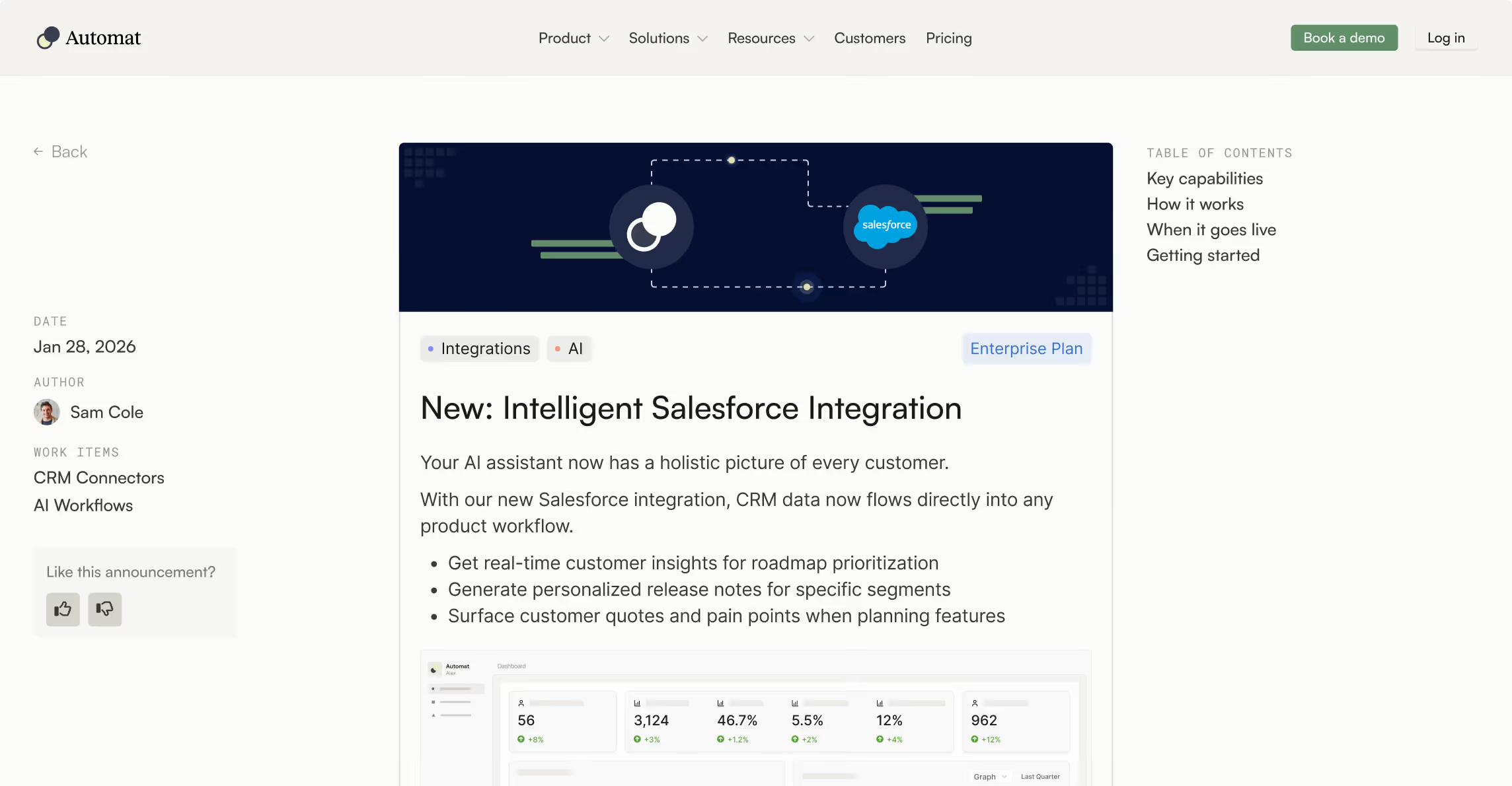
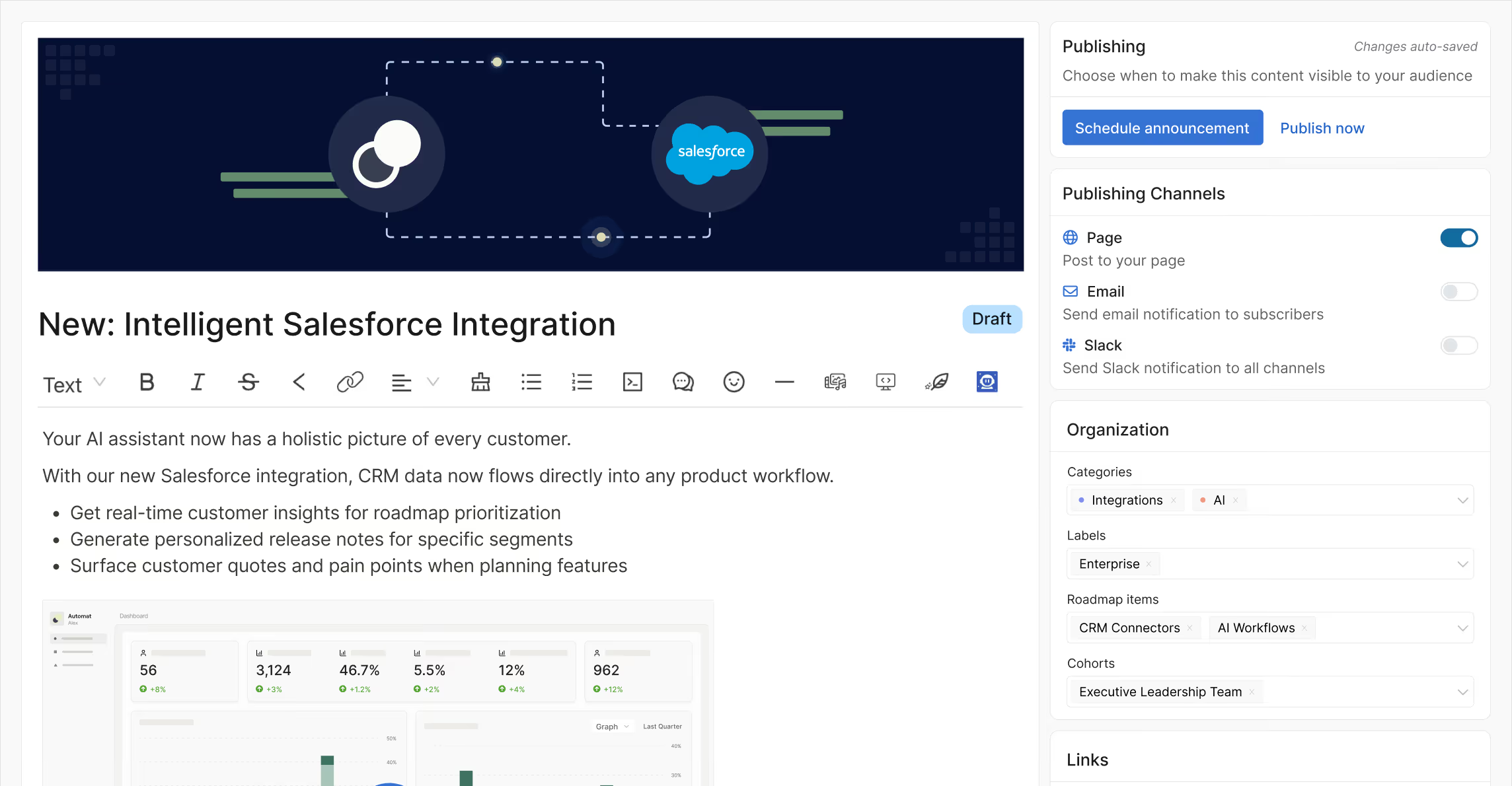
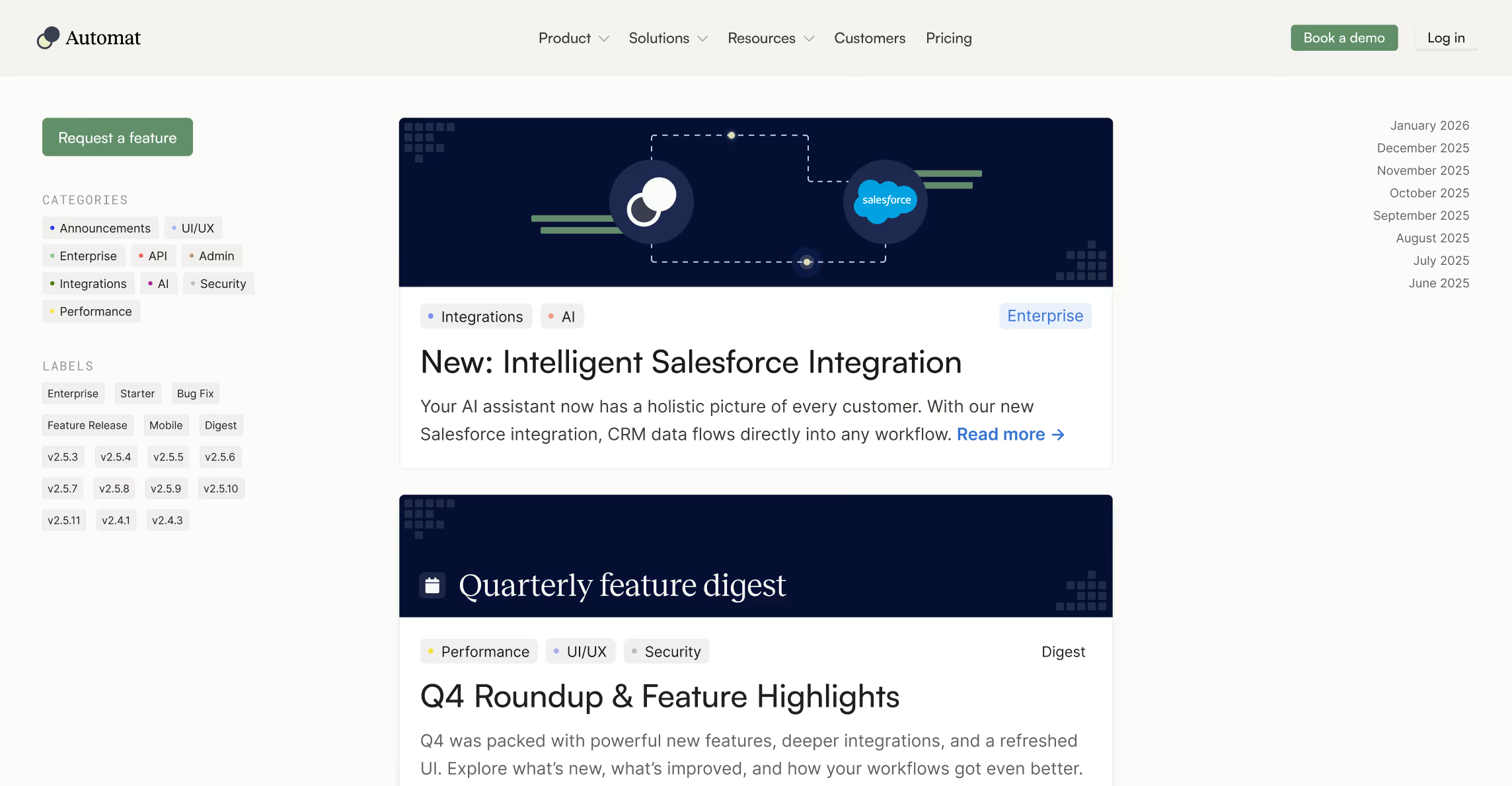

Your team ships the feature. Ensure the message ships with it.
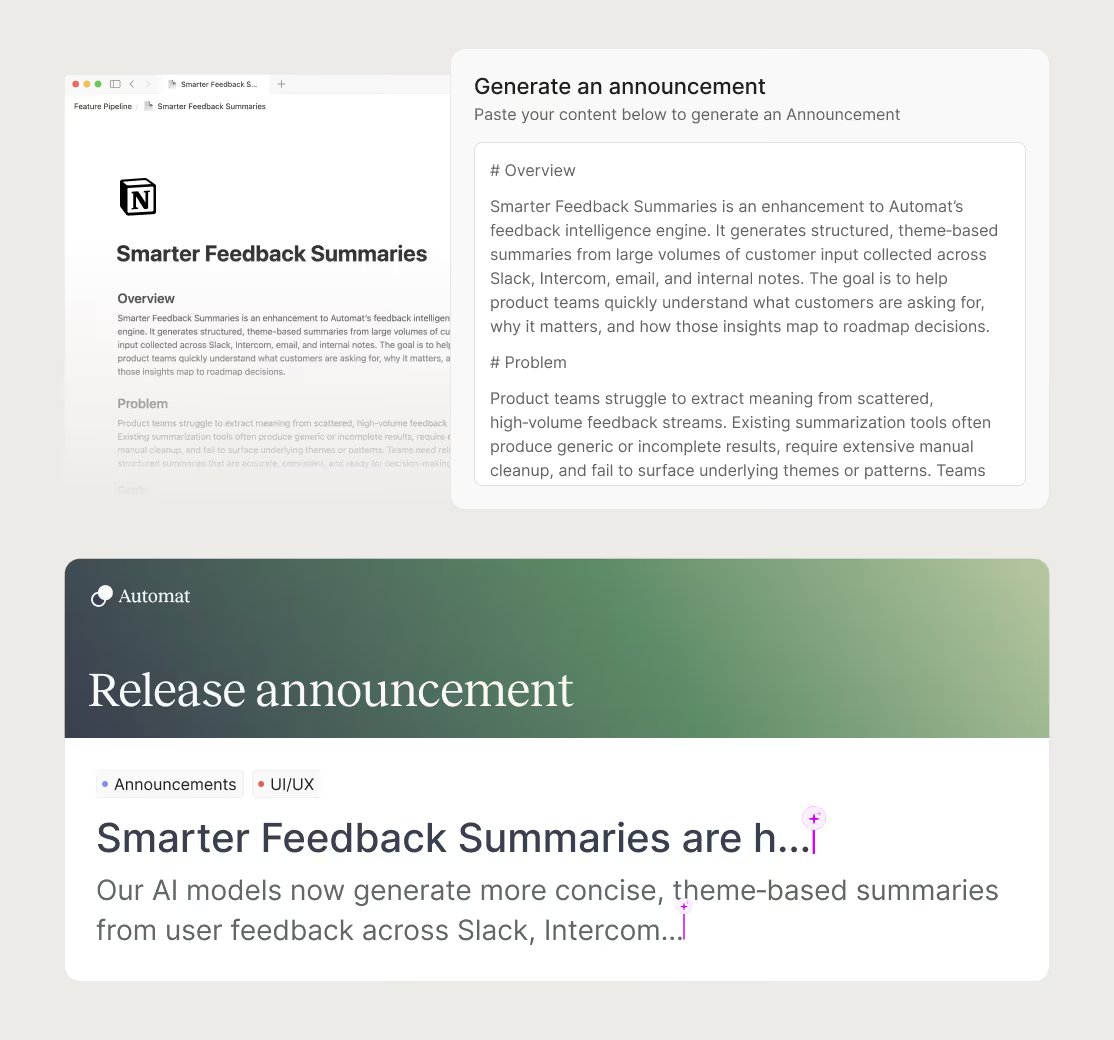
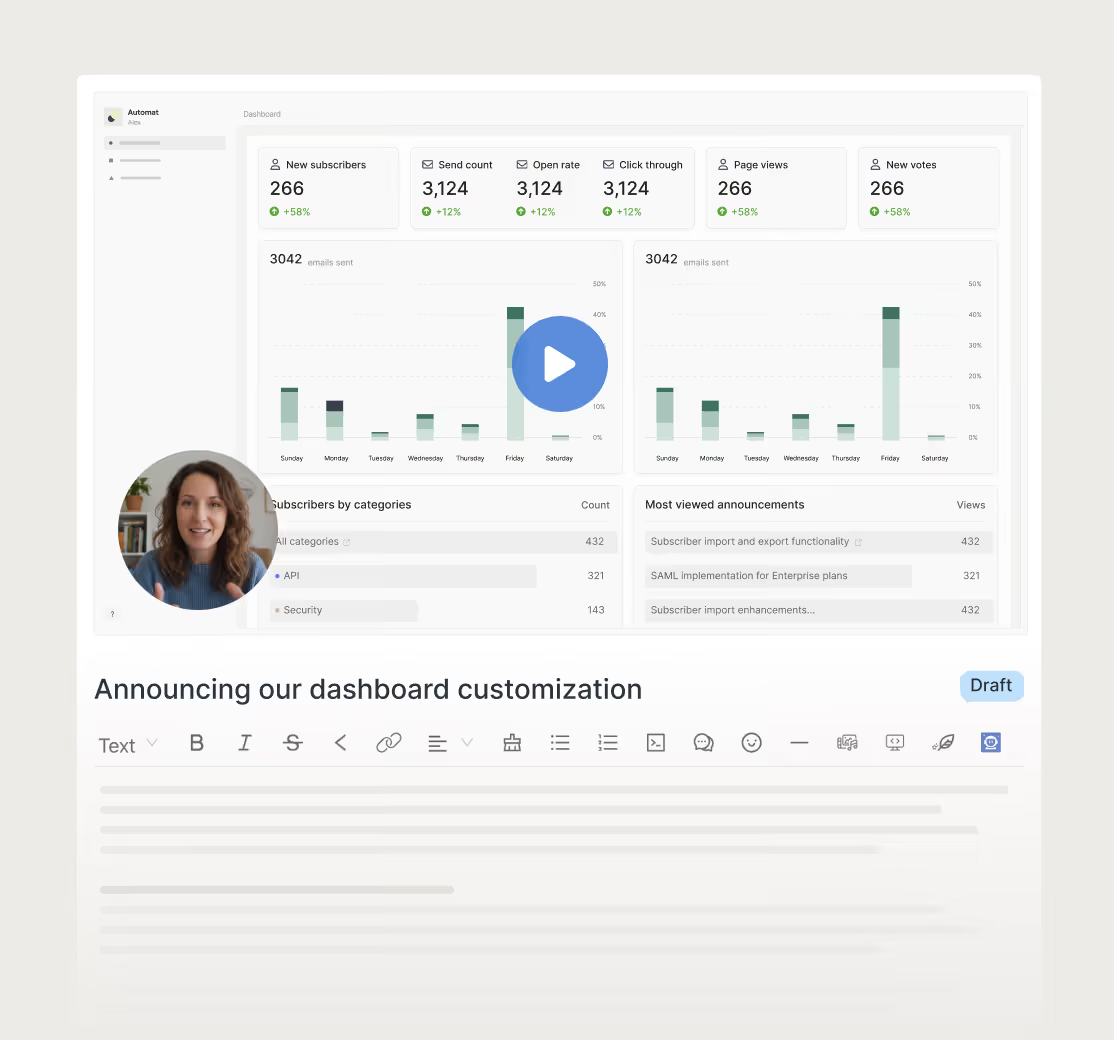
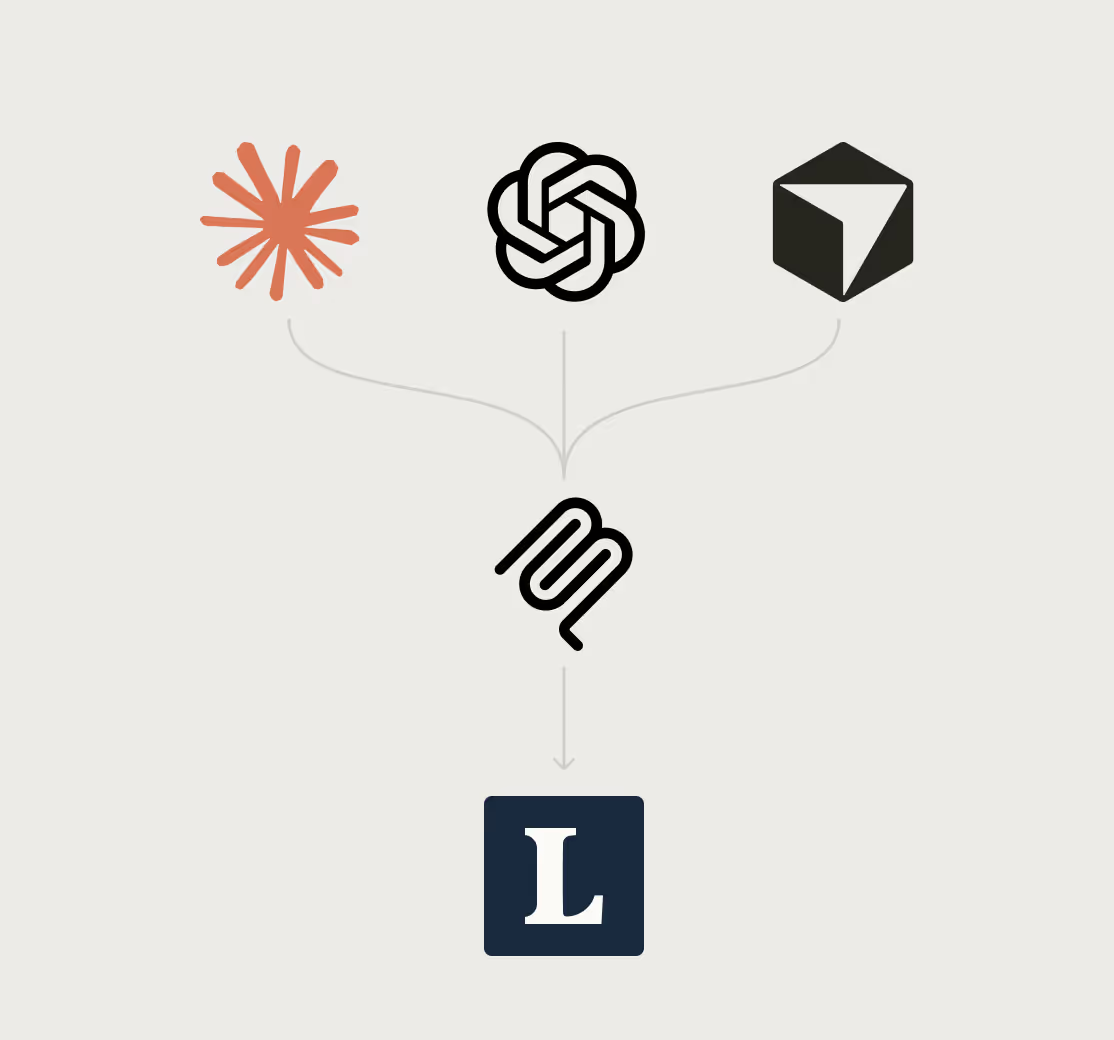
LaunchNotes turns your Jira, Notion, Loom, or any PRD links into a polished, on-brand draft in seconds.
Understand your users. Speak directly to each audience.
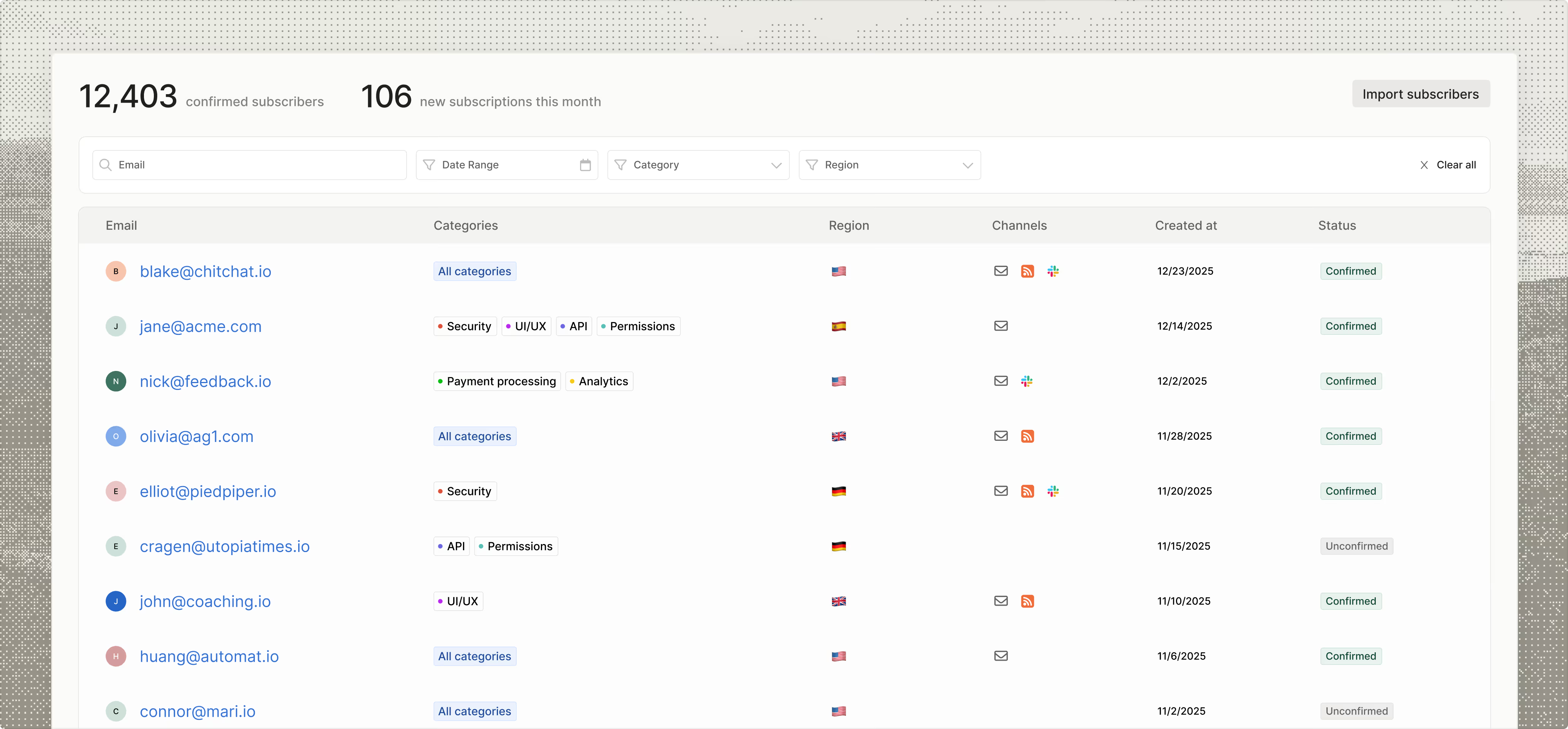
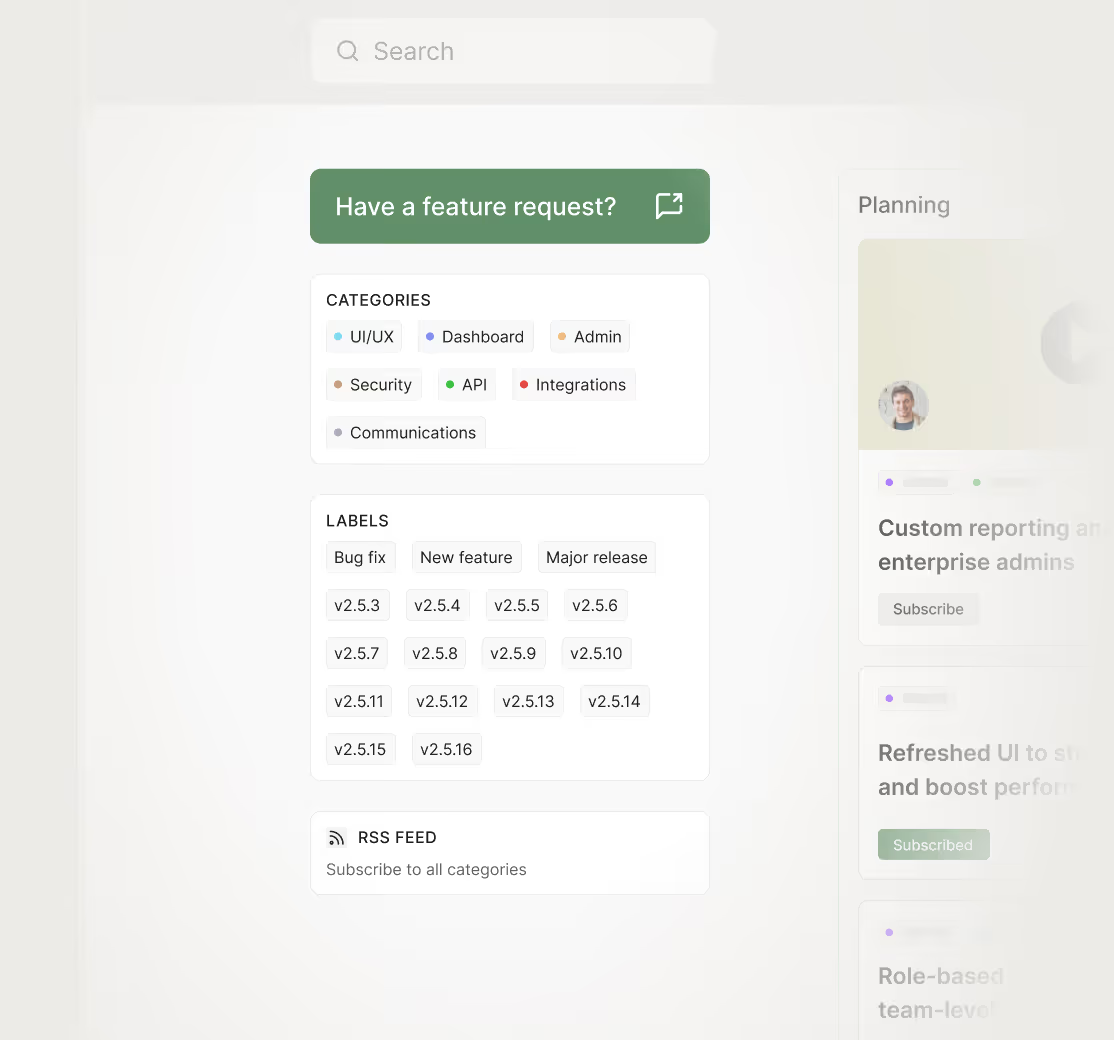
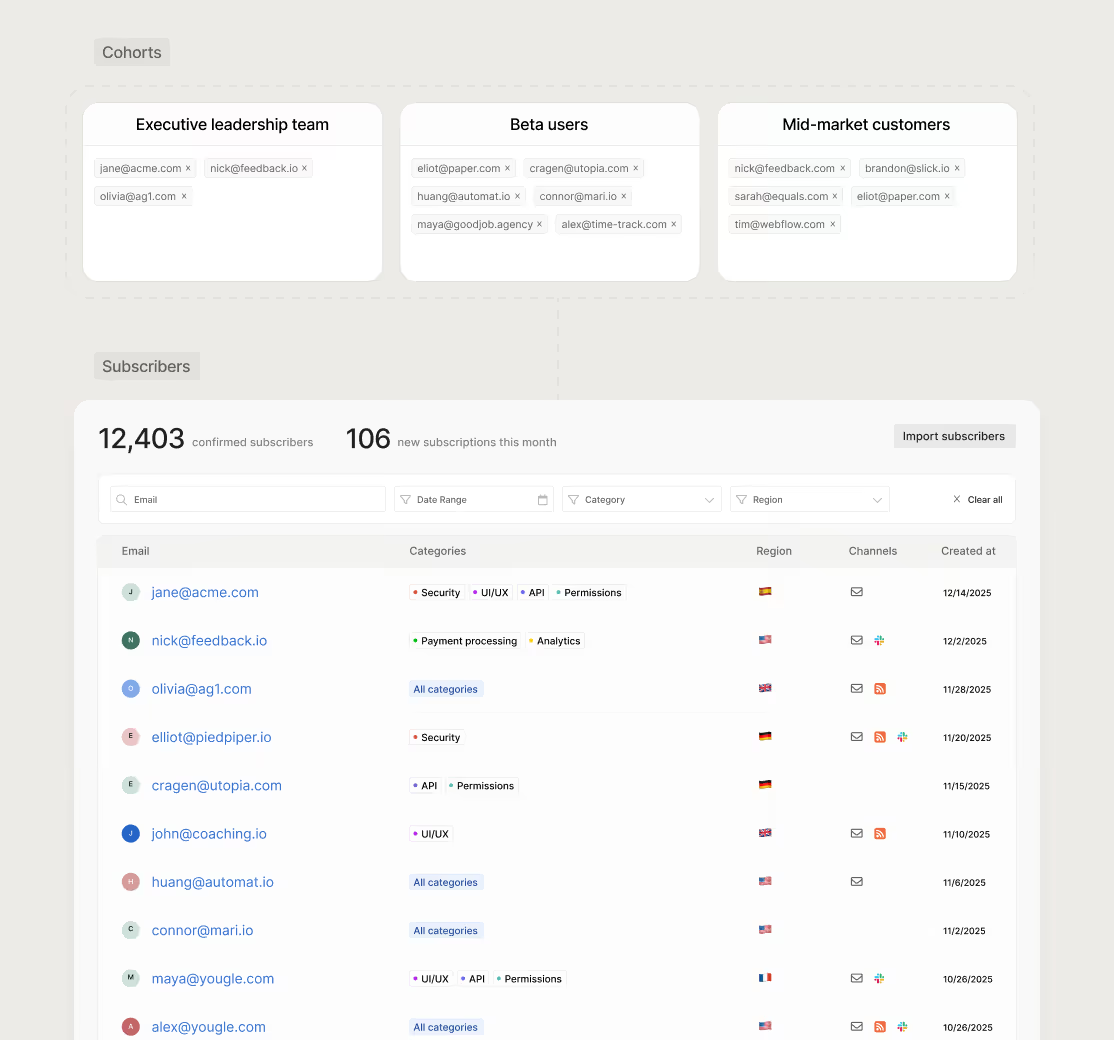
Segment your product comms by product line, plan, or any custom attribute — the right message reaches the right person, every time.
“LaunchNotes has allowed us to dramatically improve our cadence of updates and regularly delight customers with targeted, meaningful communication.”

Publish once.
Amplify everywhere.
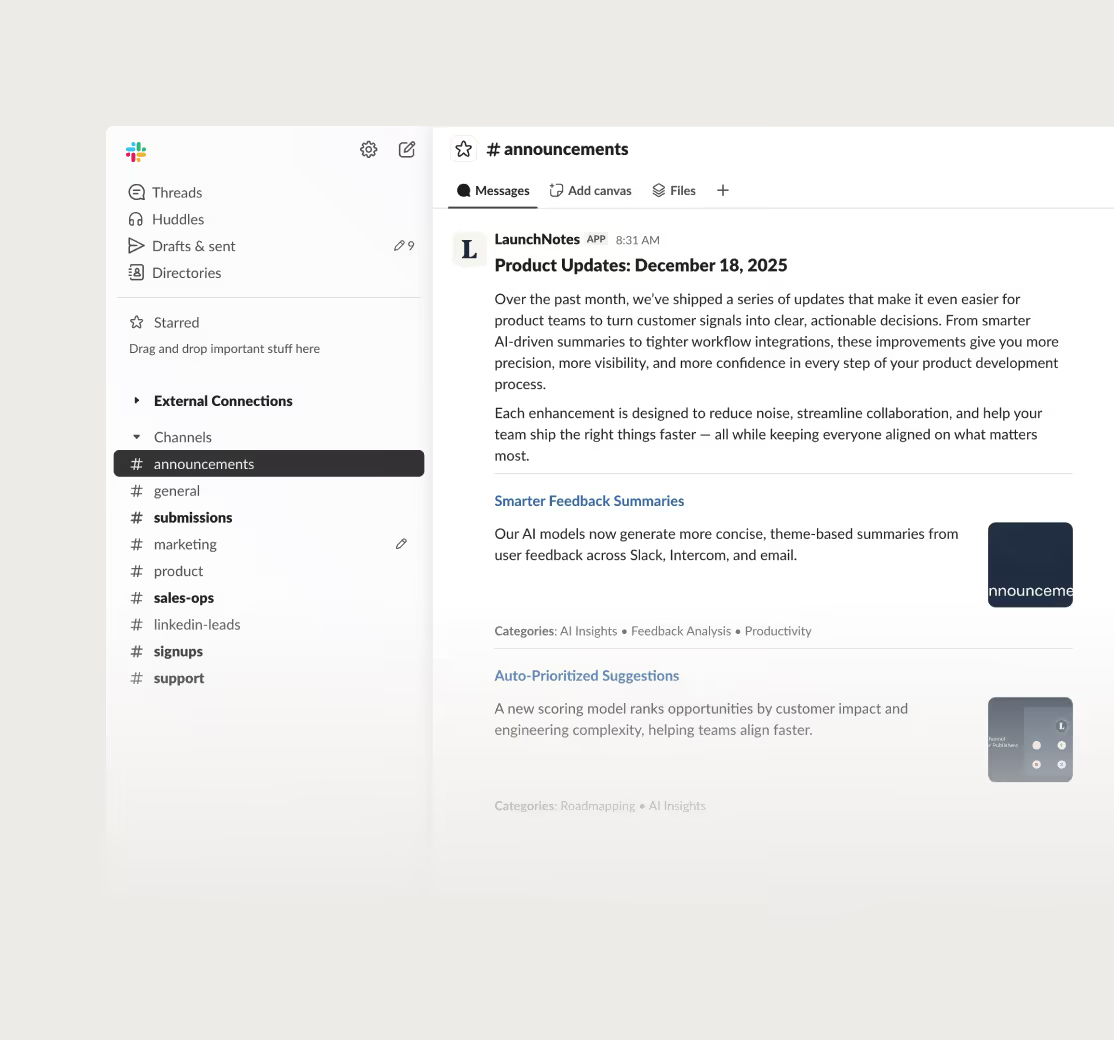
One announcement. Every channel updated in a single action. Consistent message. Zero duplication.
Integrates with your stack





Built for any workflow. Built to scale.
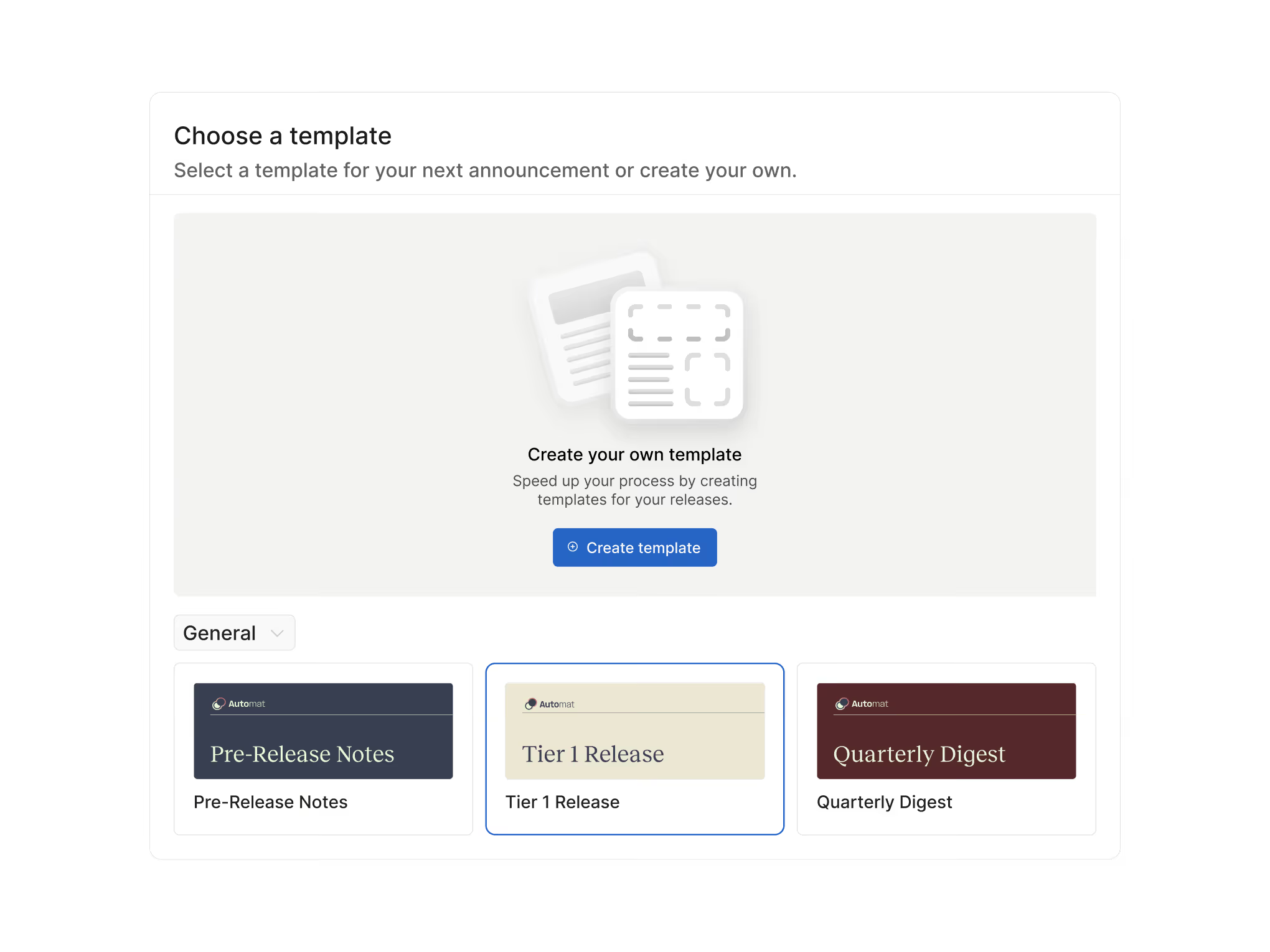
Templates
Build your release format once. Hit the right channels, in the right structure, automatically.
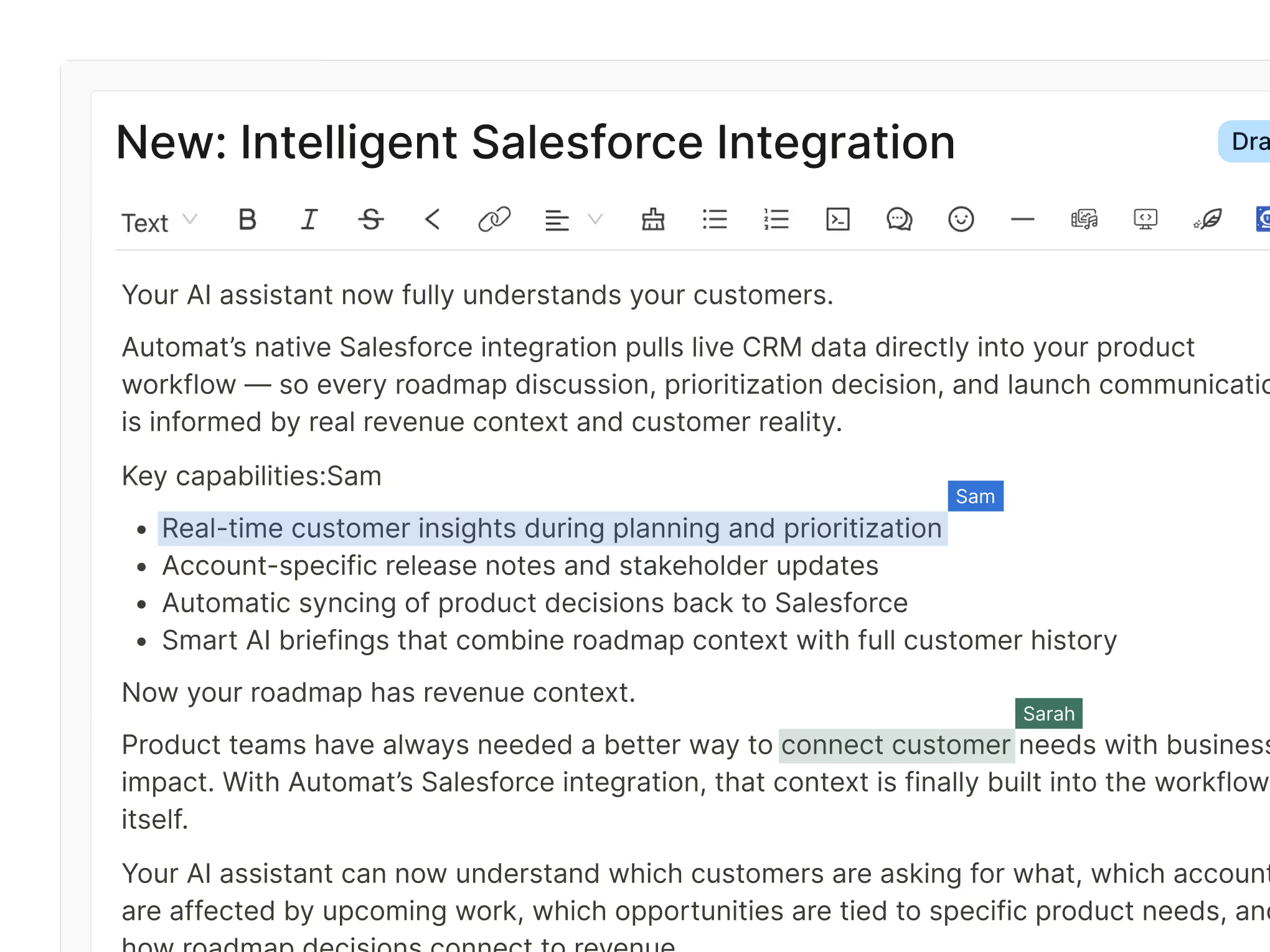
Collaborative editing
One shared draft. No version conflicts. Launch-ready copy, faster.
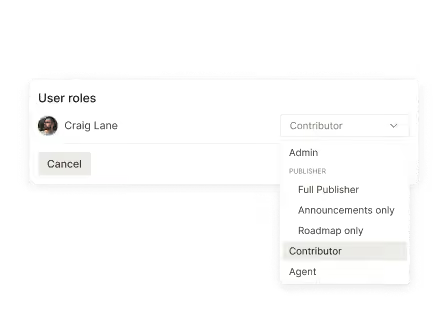
Permissions
Control who drafts, who reviews, and who publishes. Move fast without losing governance.
One platform for product, sales, and everything in between
Multi-channel delivery
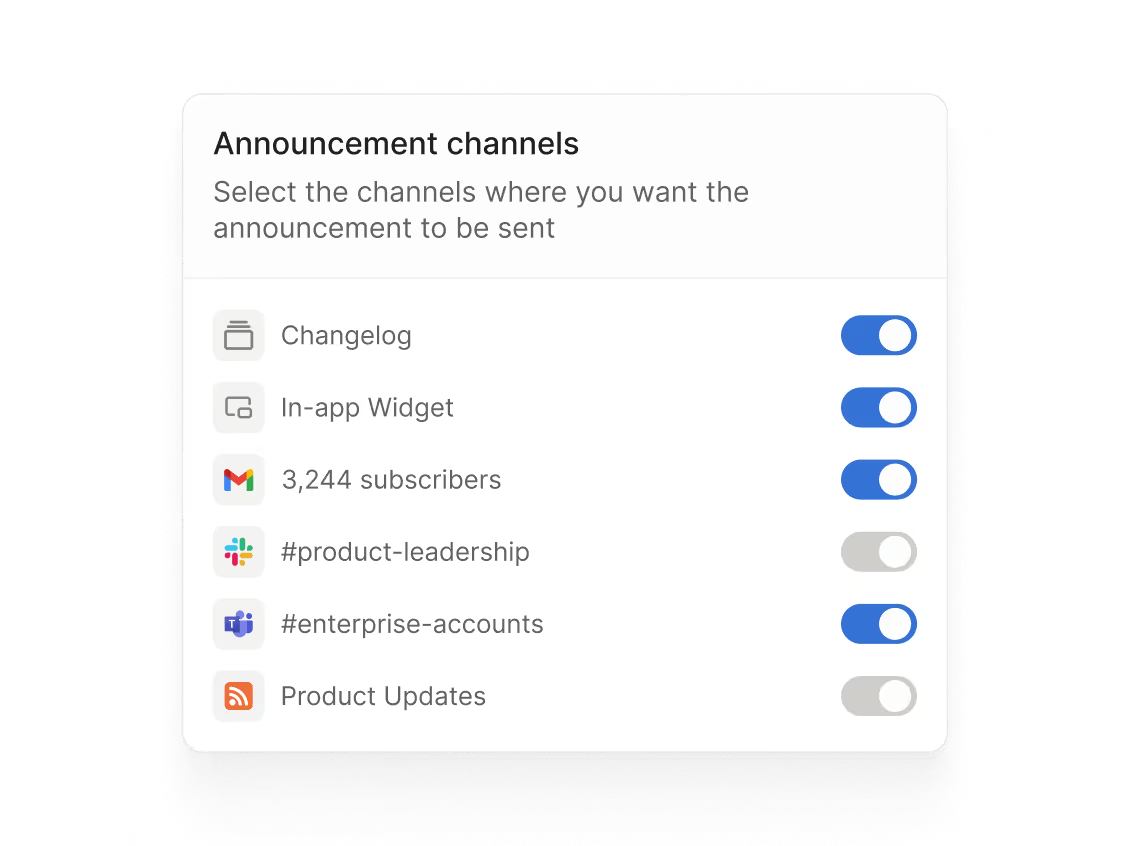
Write once in LaunchNotes. Reach your subscribers wherever they are — in-app widget, Slack, Microsoft Teams, email, or RSS.
Pixel-perfect branding
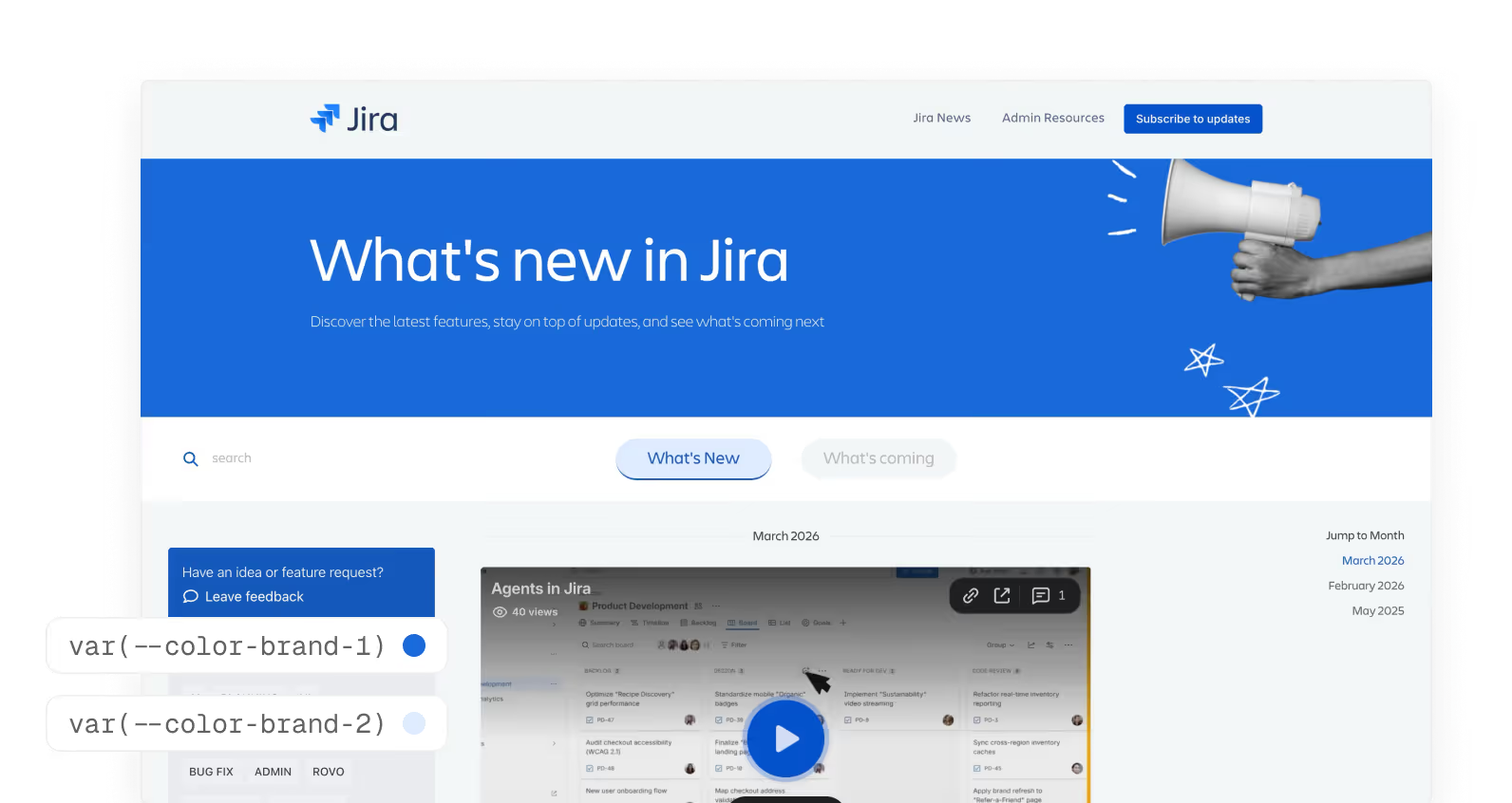
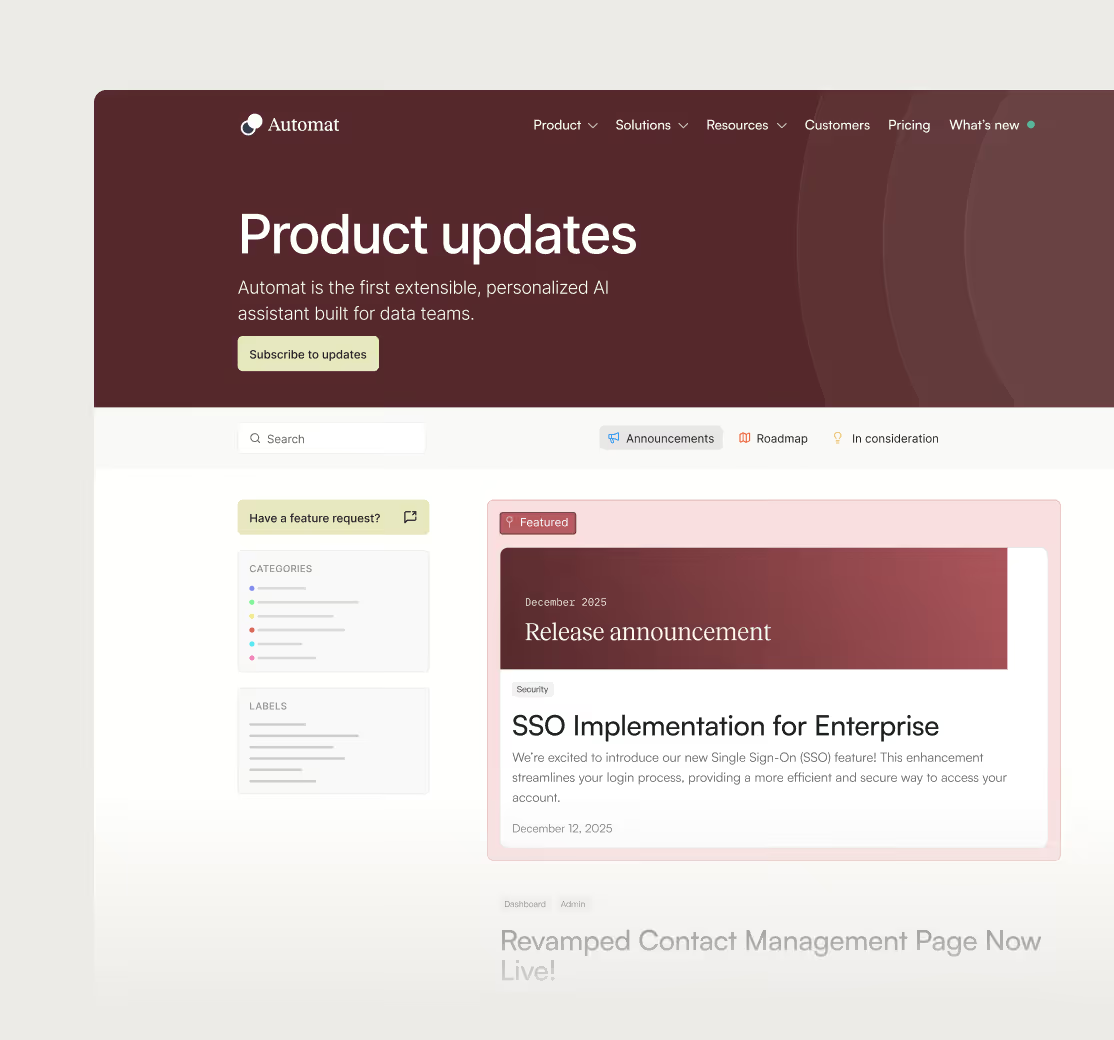
Your announcements should look as good as your product. Full brand control with custom templates, fonts, colors, and white-label hosting.
Real-time analytics
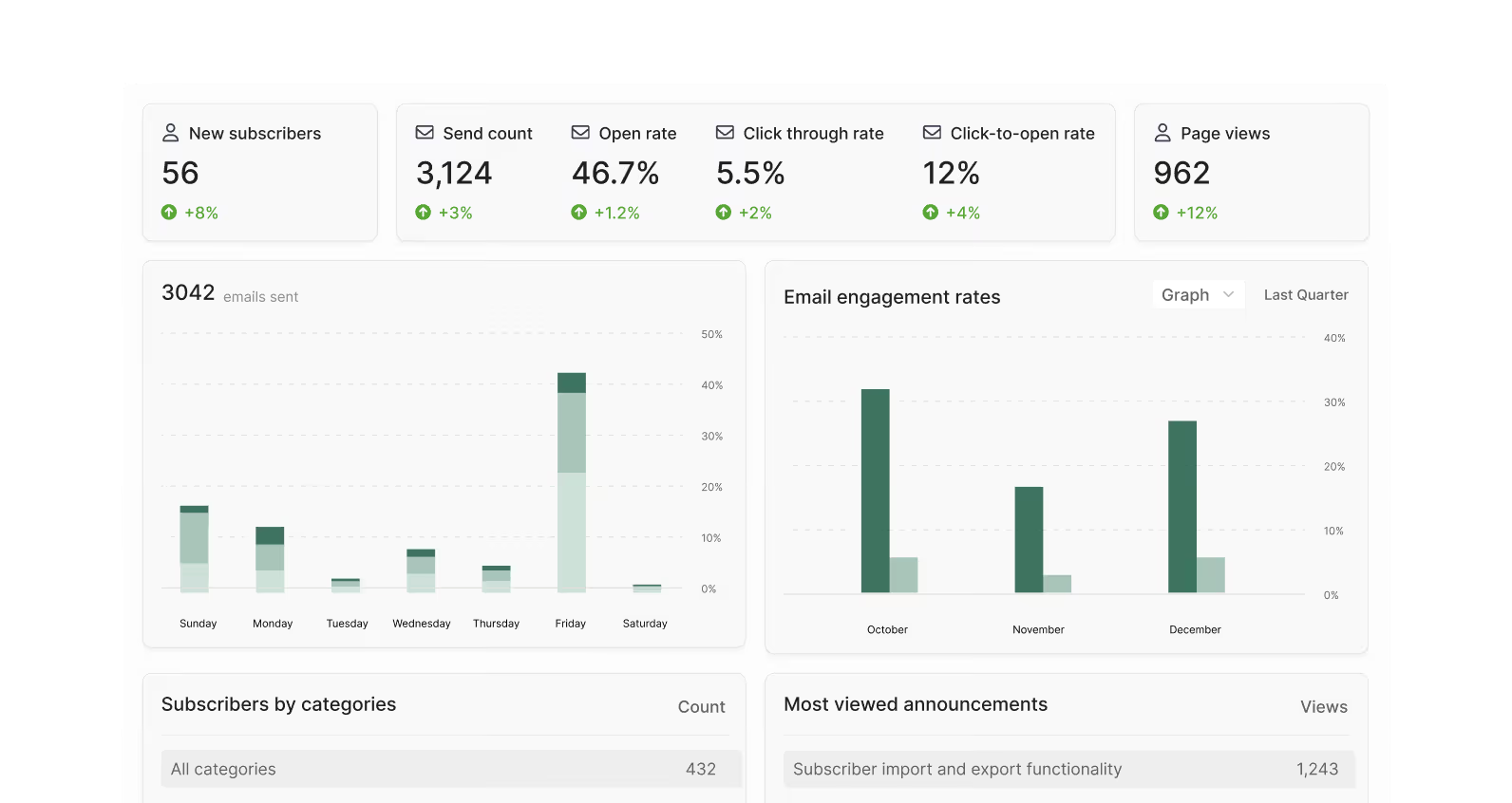
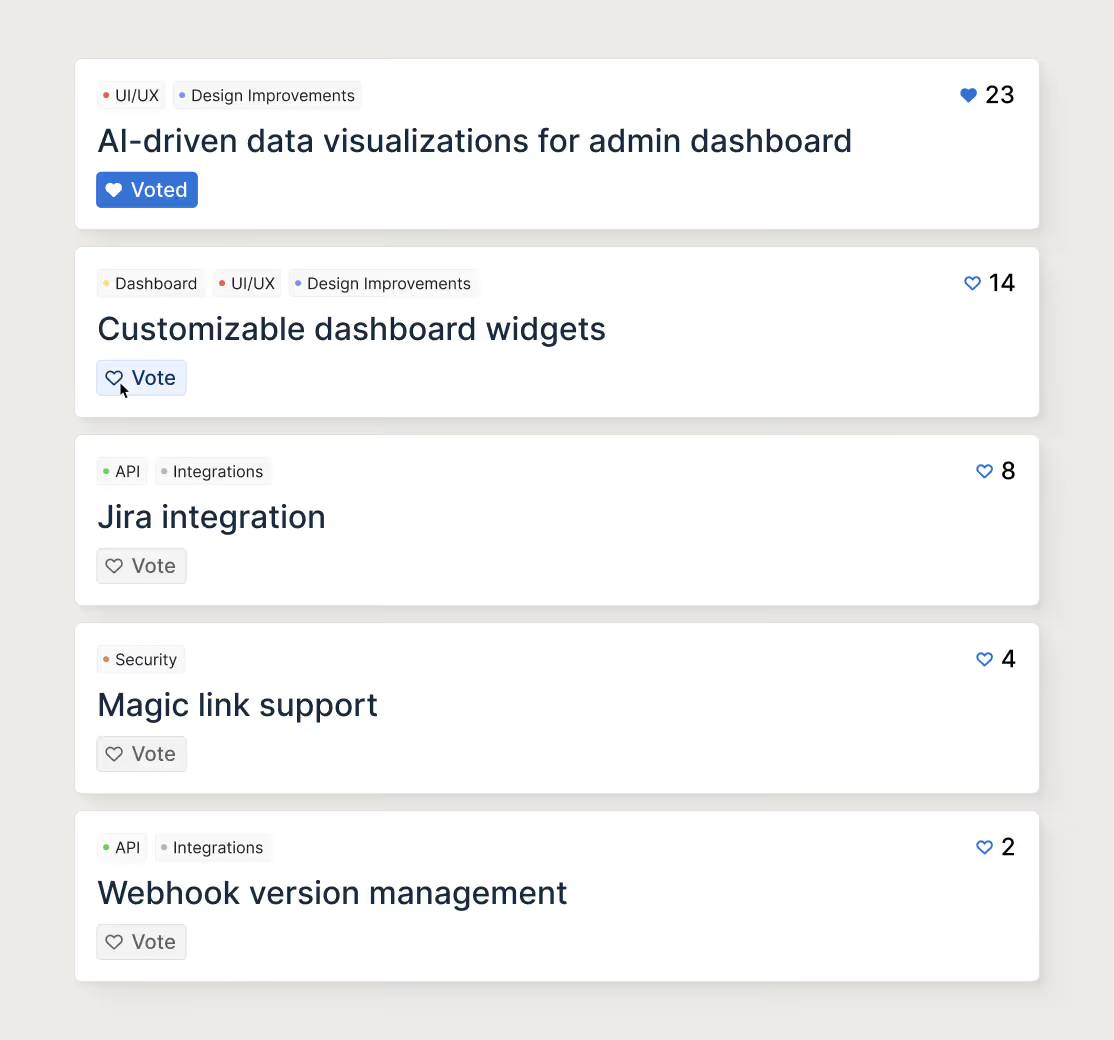
Surface themes, track volume, and identify the requests that keep showing up.
Email digests
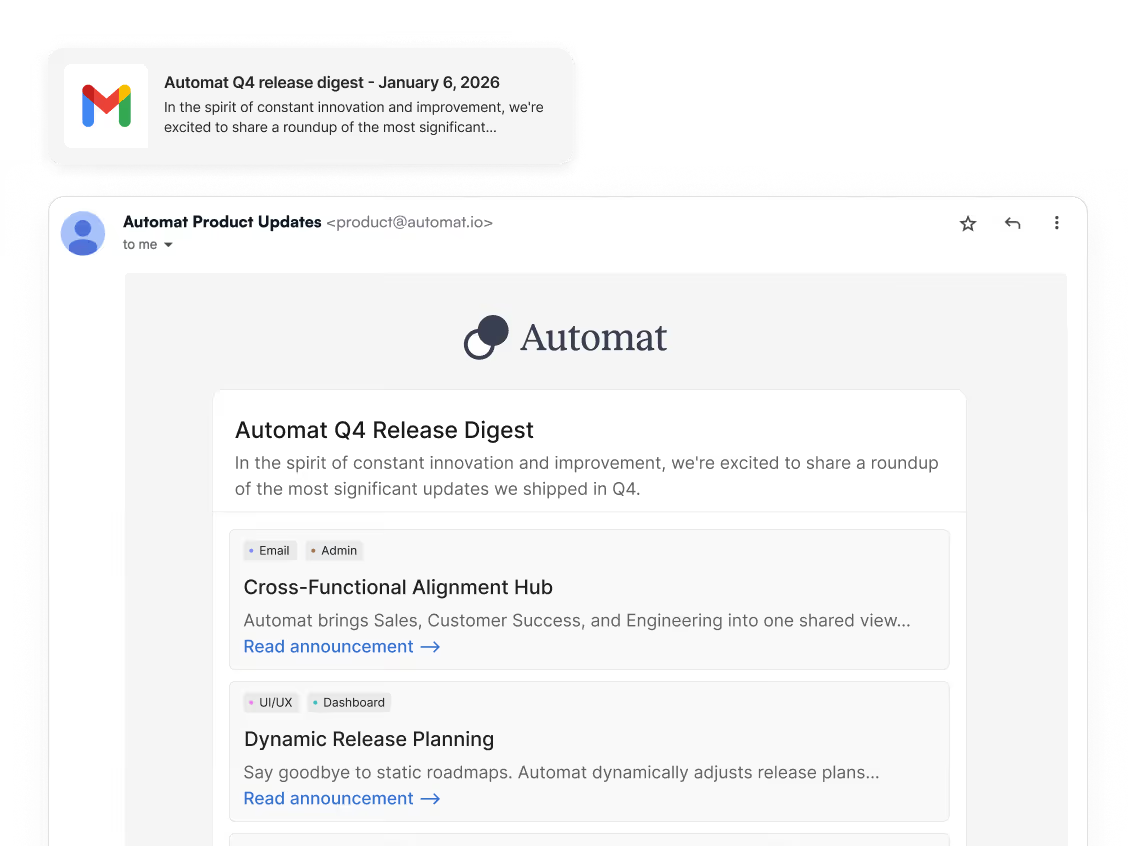
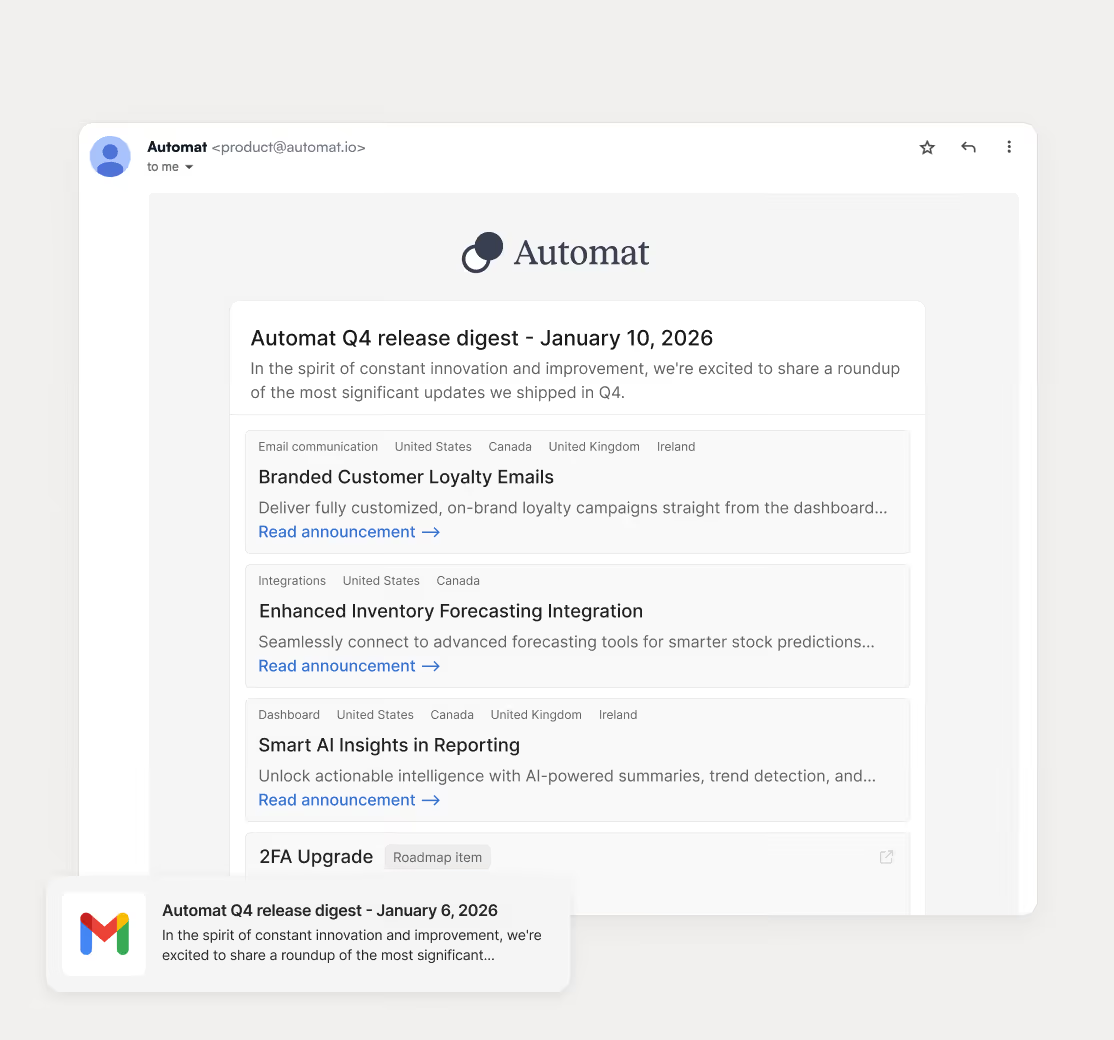
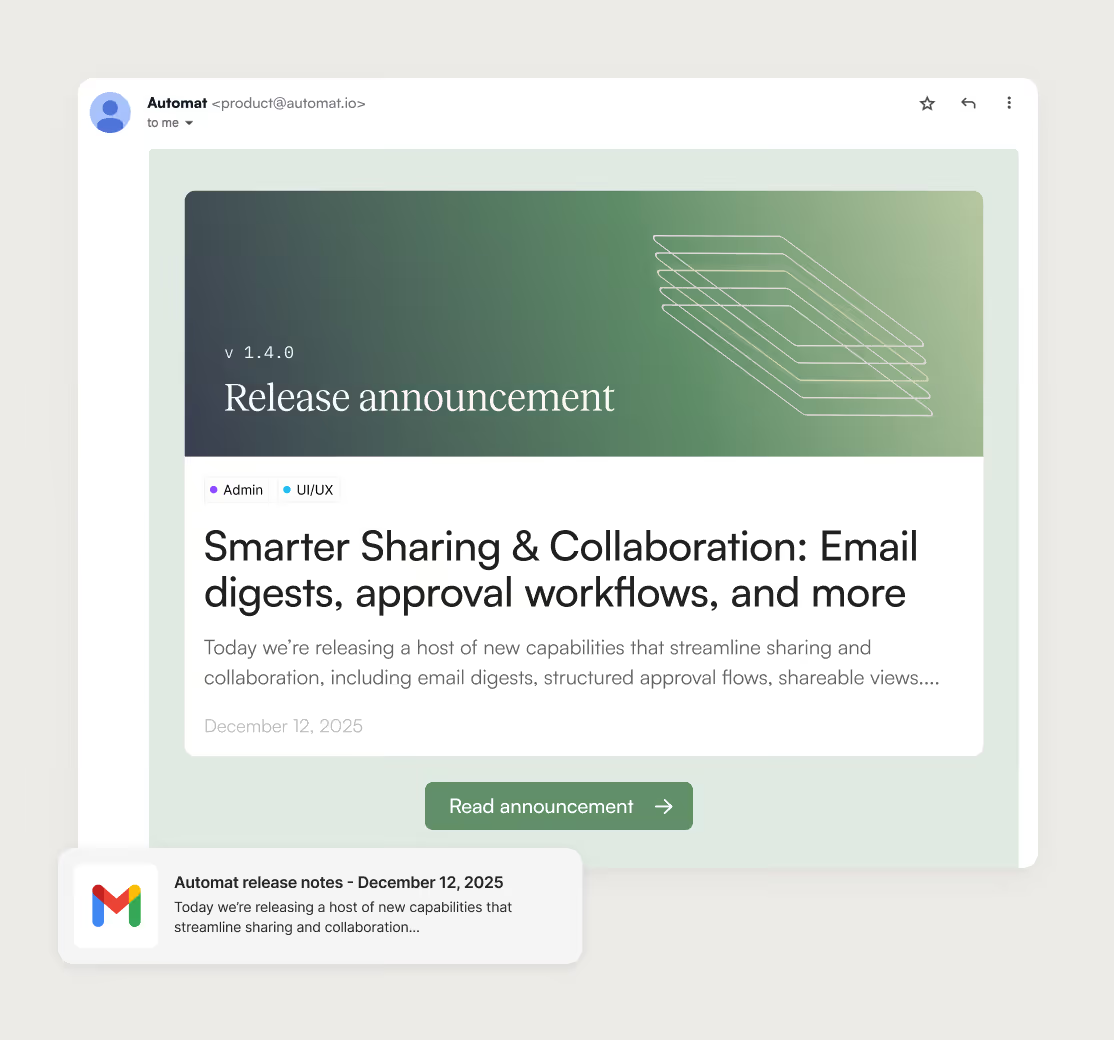
Automated, customizable email digests by product area, team, or date. The status-update meeting you can cancel.
See how the best product teams communicate their releases.
Product Manager, Product Marketer, Customer Success leader, or Product Ops professional? We have a use case built for your team.
Product Management
Product Marketing
Product Operations
Customer success
Don’t just take our word for it
300%
increase in product engagement

“LaunchNotes is the first tool I go to when I’m building a new product marketing strategy. It’s one platform that allows me to do everything.”
Audrey Song
VP of Marketing, Setpoint

“LaunchNotes is mission critical. With $100M annual R&D spend, we can’t afford for our customers not to know what we’re building.”
McNeel Keenan
VP of Product Management, CVENT
$100k+
in strategic account expansion
13%
lift in CSAT

“LaunchNotes has enabled us to build a standardized process for internal release readiness and enablement at scale.”
Melissa Edmonds
VP of Product Operations, SpotOn
4x
acceleration in product delivery
91%
email open rate
30%
faster release cycles
Enterprise-grade security, out of the box

SOC 2, Type II Certified
This SOC 2, Type II certification demonstrates our commitment to maintaining the necessary protocols to manage and mitigate risks related to enterprise-grade security, availability, compliance, and privacy.
One platform for product, marketing, and everything in between

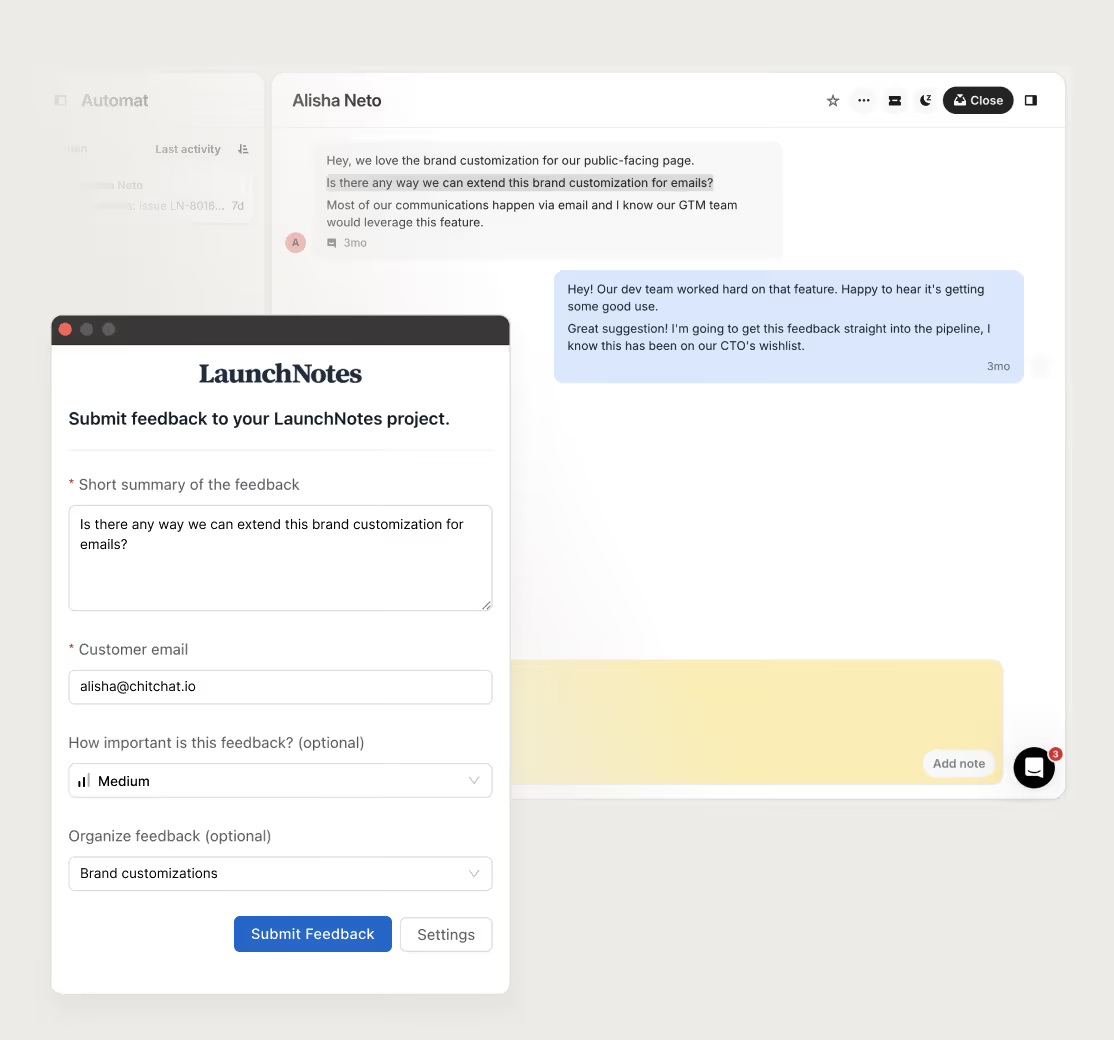
Frequently asked questions
Automated release notes from Jira remove the manual documentation bottleneck that slows most teams down. Instead of spending hours at the end of every sprint gathering ticket details, you can generate a draft in seconds with LaunchNotes.
That real-time sync means your release notes are accurate and ready to publish as soon as the code is live, which matters in a continuous delivery environment where delays in communication lead to user confusion.
Automating that part of the workflow frees up your product managers to focus on higher-value strategic work instead of documentation.
Yes, you can tailor your release notes template to different audience segments. You might want a more technical version for your developer community and a benefit-focused version for business users.
LaunchNotes supports this through categories and labels, so every reader gets information that's actually relevant to them instead of getting fatigued by updates that don't apply.
Personalizing your updates this way increases engagement and shows users you understand their needs, which is one of the real advantages of a dedicated platform over a static document.
LaunchNotes is built specifically for the product lifecycle, not as a generic blog. It gives you versioning, subscriber management, and feedback loops so your announcements do more than just get published.
You can build polished announcements that include video demos and links to technical documentation, then schedule them to go live exactly when your deployment does, keeping marketing and engineering in sync.
That kind of professional, well-timed announcement helps elevate your brand and makes sure customers always feel informed.
Multi-channel updates make sure your release notes don't get lost in one crowded inbox or feed. LaunchNotes lets you broadcast updates via email, Slack, in-app widgets, and your public site, so users see the latest improvements wherever they happen to be.
That matters most for high-visibility releases, and you can manage every channel from one dashboard instead of juggling separate tools.
The result is more of your updates actually getting read, which builds feature awareness and a stronger sense of momentum among your users.
Clear release notes act as a proactive support tool. By documenting bug fixes and UI changes as they happen, you answer common questions before they turn into a support ticket.
LaunchNotes makes it easy for users to search past updates and find a fix for the issue they're seeing, which lets people help themselves instead of waiting on a reply.
That kind of transparency reduces the load on your support team and gives users a better overall experience, and folding it into your regular update channels means help is always where the user already is.
Writing release notes that engage users starts with understanding what your audience actually cares about. Instead of listing technical specs, focus on the benefit of each change, use clear, jargon-free language, and add visuals where you can.
LaunchNotes' AI writing assistance helps translate technical detail into benefit-driven copy, and we recommend keeping each entry concise and scannable with bullet points.
Follow those habits and your updates stop being an afterthought and start being something your users look forward to, which drives better feature adoption and satisfaction.
A product update email template is often how your release news actually reaches users, straight in their inbox. LaunchNotes provides branded templates that match your web-based release page, which builds trust and reinforces your brand.
Our templates are built for high click-through rates, with prominent links to more detailed documentation, and automating these emails means every user hears about the value you've added.
That proactive outreach is key to keeping engagement high across every channel you use to reach customers.
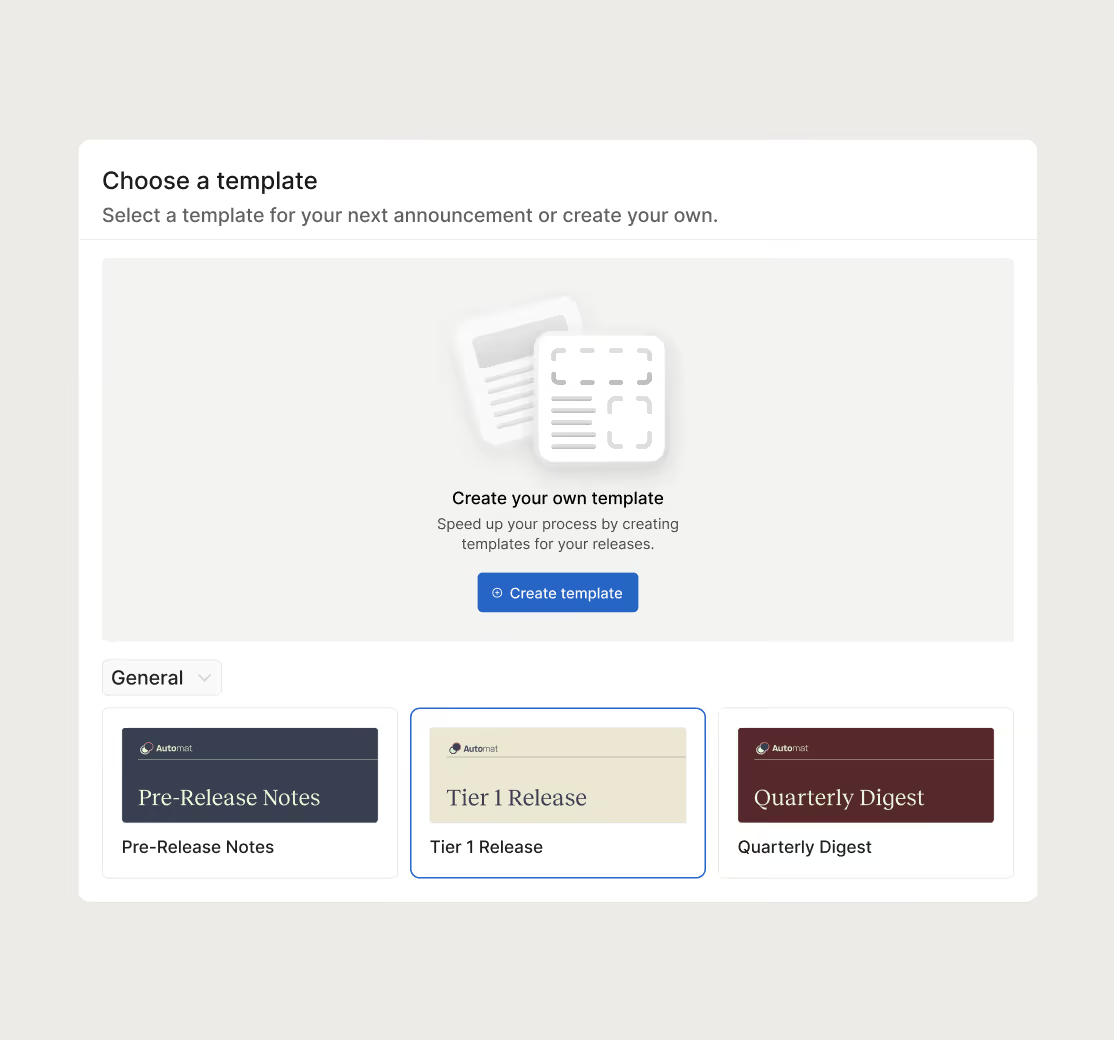
LaunchNotes offers release notes templates built for the pace of SaaS. A good template includes a high-level summary, categorized updates (New, Improved, Fixed), and a clear call to action.
Our templates are fully customizable to match your brand, so every release still looks and feels like you.
A consistent structure makes it easier for users to scan and find what matters most, and that's what keeps your updates professional and effective across your entire customer base.
Creating automated release notes from Jira is simple with LaunchNotes. Our integration syncs Jira tickets directly into your release notes drafts, and you can set rules to pull in specific labels or epics.
Our AI then helps refine that raw ticket data into customer-facing language, eliminating manual data entry and keeping your notes accurate to what actually shipped.
That saves your product managers hours every week and keeps your release notes current with engineering's progress, without extra manual work.
When evaluating release notes software, prioritize tools that offer automation, multi-channel distribution, and deep integrations. LaunchNotes lets you pull data directly from your dev environment, including automated release notes from Jira.
Look for a platform that supports rich media, like videos and images, and that lets you segment your audience so people only see updates relevant to their plan or industry.
The right tool turns release notes from a manual chore into a real growth driver, improving how updates reach users and how many actually discover and adopt new features.

